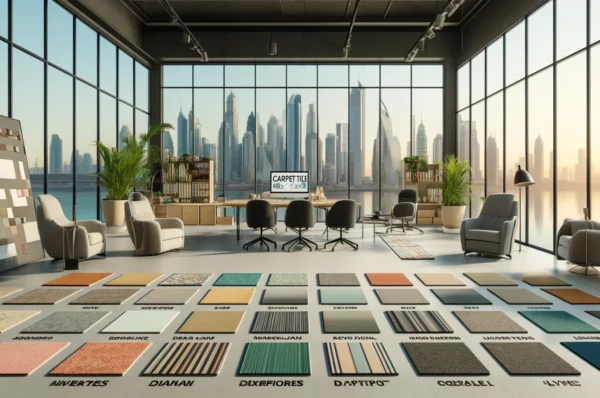
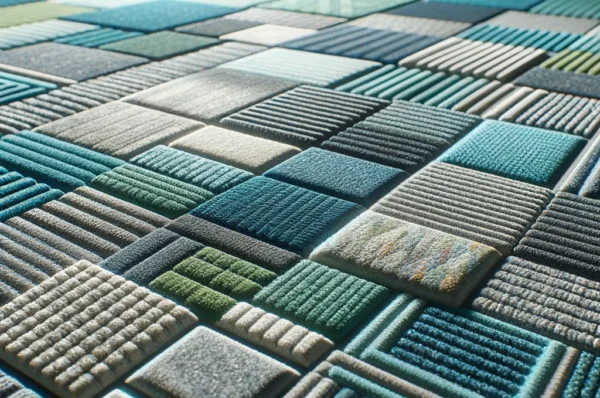
Choosing the right carpet tile materials used can be tricky! Explore our in-depth guide to discover the pros and cons of common materials like nylon, polyester, and wool. Find your perfect match for durability, style, and budget!
Introduction
Carpet tiles are a popular flooring option due to its versatility, practicality, easy installation and maintenance, and the opportunity to materialize any design. The manufacturing materials are essential for the performance and aesthetics of the final product, determining ecogenicity and aesthetic attraction altogether. This reading aims at introducing readers to common components used in carpet tiles productions such as nylon and polypropylene, along with recycles materials. Therefore, it draws attention to tile properties, the benefits of the materials, and their contribution to sustainability. Such familiarity with the materials empowered consumers or experts in the area, allowing them to make an informed choice based on individual design preferences, interests, and actual exploitation.
Table of Contents
Materials Used For Carpet tiles
Carpet tiles, or carpet squares also known as modular carpets are commonly manufactured from various materials, each of which has its advantage, particularly in terms of endurance, attractiveness, and upkeep. The following are four popular carpet tile materials.
1. Nylon:
- Properties: Nylon is known for its incredible durability, resistance to abrading, and resiliency. It is resilient and resilient, and can withstand a high volume of foot and furniture traffic, while living rooms and corridors are suitable for commercial and high-traffic areas of the home.
- Maintenance: The dirt can be easily cleaned from nylon, and the substance is resistant to the same as well. The other quality of nylon is that it can be resistant to mold and mildew. Regular vacuuming and deep cleaning once after an interval can ensure that nylon carpet tiles are still looking fresh after years.
- Sustainability: Admittedly, nylon is a synthetic fiber. However, the industry has developed a method of recycling and producing an environmentally safe variant, eco-nylon. This process eliminates the heavy reliance on petroleum and reuses available resources.
2. Polypropylene (Olefin):
- Properties: -This material is not as cushiony as nylon, but it is highly resistant to wear and especially tough on stains and moisture blocks, and it may be a good choice for busy dining areas and heavy use in the bottom game room.
- Maintenance: It’s also simple to clean and does sure does not absorb water, therefore, it dries quickly. It is likely to flatten beneath heavy furniture, so it’s a good idea to move things around.
- Sustainability: Polypropylene has low energy intensity at the production stage, compared to other fibers, and can be recycled, which may have a positive effect on the environment.
3. Polyester:
- Properties: Polyester is known for its color vibrancy and softness. It is highly stain-resistant and does not fade easily, making it ideal for sunny rooms or areas with UV exposure.
- Maintenance: Simple vacuuming and occasional spot cleaning are generally sufficient for maintaining polyester carpet tiles. It repels water-based stains but can be susceptible to oil-based stains.
- Sustainability: Some polyester fibers are made from recycled PET bottles, enhancing the sustainability of this material.
4. Wool:
- Properties: Wool is a natural fiber that excels in durability and comfort. It has natural soil-repellent properties and is flame retardant without the need for chemical treatments.
- Maintenance: Wool carpet tiles require more care than synthetic alternatives. They should be vacuumed regularly and cleaned with wool-safe products to avoid damage to the fibers.
- Sustainability: Wool is a renewable resource, biodegradable, and it acts as a natural air purifier by absorbing common household contaminants.
5. Recycled Materials:
- Properties: Recycled carpet tiles are made from various materials, including previously used carpet fibers or other recyclable plastics, which are processed to create new carpet fibers.
- Maintenance: Maintenance practices for recycled material tiles depend on the specific fibers used but generally follow the same guidelines as new synthetic or natural fiber tiles.
- Sustainability: Using recycled materials reduces landfill waste and the demand for virgin resources, making these tiles an excellent option for environmentally conscious consumers.
6. Backing Materials:
- Properties: The backing adds structural stability and durability to carpet tiles. PVC provides a robust and moisture-resistant base, whereas polyurethane is lighter and can add additional comfort.
- Maintenance: Backing materials are typically not exposed and do not require maintenance from the user’s perspective, but their quality can affect the longevity of the tiles.
- Sustainability: Some manufacturers focus on developing eco-friendly backings, such as those made from recycled plastic or bio-based materials.
7. Adhesives and Installation Materials:
- Properties: The choice of adhesive can affect the overall performance of carpet tiles. Pressure-sensitive adhesives allow for easy removal and replacement of tiles, whereas permanent adhesives offer more stability.
- Maintenance: The use of non-adhesive installation methods, like click systems or heavy-duty backing, simplifies maintenance and replacement.
- Sustainability: Opting for low-VOC (Volatile Organic Compounds) adhesives can help maintain indoor air quality and reduce environmental impact.
Factors to Consider When Choosing a Material
Choosing the most suitable material for any project is essential. This guarantees the success of the project and how long it will last and how well it will perform. Whether you want to use the material in construction, manufacturing, or designing a product, there are several critical factors that you need to keep in consideration prior to determining the ideal material for the project. The following are crucial factors to have in consideration During the selection of material:
1. Durability
It is one of the crucial considerations, especially for the objects that will undergo attrition and exposure to the elements or intensive use. Corrosion, abrasion and impact resistance are the characteristics that should be analysed to determine whether or not a material could survive while being exposed to the given conditions.
2. Cost
The cost is frequently the most critical aspect to consider when determining what materials to use. The costs that will be saved over time in the future must be in proportion to the original price. The benefits of more expensive materials can include increased stability and less repairs.
3. Aesthetic Appeal
The material’s visual properties contribute massively to the success of a project. For this reason, one should examine the color, texture, and finish of the material to guarantee their fit into the desired design vision. Moreover, the aesthetic appeal is achieved, and its exceptional features are complemented by the material used.
4. Strength and Load-Bearing Capacity
When it comes to structural applications, it is important that the material is strong and has a high load-bearing capacity. In addition to strength, the material should be able to distribute the applied loads and withstand the associated stresses without distorting or failing. This is required in most construction and engineering situations.

5. Environmental Impact
Material selection is a vital aspect as it pertains to sustainability. Evaluate the material’s environmental impact in terms of production, use, and disposal. Choose environmentally friendly materials that are either recyclable or renewable or have reduced generation of CO 2 to ensure sustainability.
6. Maintenance Requirements
Another factor that should be taken into account is the maintenance material may need over the years of its use. Thus, some materials might need cleaning or some repairs that would incur further expenses. As a result, materials that require little to no maintenance save not only time but also costs.
7. Availability
The Rhetor’s material limitations – Finally, the most important issue is whether the material is available. Some materials may not be available in the necessary quantity or for the time required and may significantly delay the project. Therefore, the material must be easily available in the desired quantity and as soon as possible.
8. Compatibility
Ensure compatibility with the other material and systems of the project: Eric Nelson explained that various considerations should be taken into account, including chemical compatibility, thermal expansion, the ability to bond the materials together for optimal performance.
9. Safety and Compliance
The aspects of safety are best expressed in material selection. To select materials that are in accordance with proper safety standards and regulations, consider the following: fire-proof qualities, toxicity, risk of slippage and other. Ultimately, material should establish an overall safe environment.
10. Functionality and Performance
In the final analysis, material must adhere to the project’s functional need since there would be no need for the aforementioned attributes if the materials could not satisfy their intended purpose. Testing and evaluation of the material’s performance properties must be executed, among which are thermal insulation, electrical conductivity, and water resistance.
Types of Carpet Tiles
Carpet tiles are efficient and versatile flooring that can be used in various settings. Different types are designed for different benefits and use. Therefore, the ten types of carpet discussed, namely, needlepunch, level loop pile, multi-level loop pile, cut loop, cut pile, Saxony, frieze, Level Cut and Loop-pile, and Shag-pile carpet are the top ten common types that can be used in commercial offices and residential areas.
1. Square Carpet Tiles
The most common and well-known type of carpet tiles. As a rule, such tiles are presented in the standard sizes 18×18 inches or 24×24 inches. They are very easy to install and, if necessary, to replace, which makes them versatile – they are often used in commercial and domestic premises. It is worth noting that a clear geometric shape of such tiles makes it easier to plan the interior of the room and the pattern of laying, and this can be a monophonic color carpet or a more complex pattern.
2. Plank Carpet Tiles
Plank-Plank tiles are rectangular carpet tiles, typically measuring 9 inches by 36 inches or some other measurements equal to that. These ones are used more creatively as the shapes are laid extensively. Some of the conventional patterns are herringbone, ashlar, or brick layouts. The plank tiles give the floor a modern and vibrant appearance, making it ideal for current areas that want to generate a design declaration.
3. Modular Carpet Tiles
Modular titles show tiles that mix in various patterns to design customized models. The tiles can be in the square or plank shape. One benefit of modular titles is that more titles can be made from various colors, textures, and designs to your preferred manifested trending nature.
4. Peel and Stick Carpet Tiles
Peel and stick carpet tiles are designed with a self-adhesive backing, enabling users to install them without any stress easily. These type of tiles are made to offer a hassle-free installation process for customers who want to do it themselves. Therefore, they require no more adhesive and no need for professional assistance. Peel and stick carpeting is ideal for brief projects and temporary installations that are easy to tackle.
5. Interlocking Carpet Tiles
Another fabulous feature of interlocking carpet tiles is that they can be snapped together like a puzzle, with each tile locking firmly without the use of adhesive. Interlocking tiles can be used in various types of spaces, whether you plan to alter the surface often or if you require a hard-wearing, slip-resistant floor. They they are a hit not only in utility areas but also in entertainmthousehold equipment, playrooms, and businesses.
6. Cushion-Back Carpet Tiles
As the name implies, cushion-back carpet tiles have an additional pad covering the back of the tile, which gives additional support and comfort under the feet. Cushion-back tiles are suitable for specific locations that require prolonged standing, such as certain industrial settings or kitchens. With over 70 selections to choose from, these tiles will inherently lower the noise level in a room.
7. Eco-Friendly Carpet Tiles
Eco-friendly carpet tiles are made using recycled materials including reclaimed nylon or polyester, among others. The make of the carpet tiles is meant to promote minimum environmental disturbance without sacrificing performance and longevity. Hence, the product is best suited for the eco-friendly populace looking to reduce their carbon imprint, while considering the visualization.
Choosing the Right Type of Carpet Tile
When selecting the type of carpet tile for your space, consider the following factors:
- Traffic Levels: High-traffic areas may benefit from more durable options like square or interlocking tiles.
- Design Flexibility: For creative and customizable patterns, modular or plank tiles offer more versatility.
- Installation Ease: Peel and stick or interlocking tiles are ideal for easy and quick installation.
- Comfort Needs: Cushion-back tiles provide added comfort and support for areas where standing is common.
- Environmental Impact: Eco-friendly tiles are perfect for those prioritizing sustainability.
Understanding the types of carpet tiles help you select the right one that meets your needs and contributes to the general outlook and usefulness of your space.
FAQ’s
How are carpet tiles made?
Most carpets use yarn pile that is tufted into the primary backing, which is typically a non-woven polyester material. The primary backing is subsequently bonded to a secondary backing; this backing, especially in carpet tiles, provides a sense of rigidity and dimensional stability.
What material are carpets made of?
Today, synthetic fibers constitute more than ninety out of every hundred carpets, with the remaining fraction made from natural fibers, mostly wool. Typically, the synthetic fibers mentioned above fall under one of three groups, each using one of three materials from which I relegate them: nylon, polypropylene, and polyester. I will now discuss these common synthetic fibers.
What do you need to put under carpet tiles?
Carpet tiles consider broadloom to be a fast and secure floor system. Carpet tiles could be placed by attaching them to the base layer or as a floating system. Most of the carpet tiles have foam padding connected to their bottoms and operate correctly over a covered and smooth floor surface.
What is PVC carpet tile?
PVC flooring, otherwise referred to as Polyvinyl Chloride or just vinyl, has gained vast popularity due to its flexibility and strength. Suitable for both domestic and non-commercial use, this artificial floor covering can take many forms.
What is the most common carpet material?
Nylon- this carpet fiber is the most widely used partly because it is strong and durable and possesses excellent resistance to fading, mildew, stains, and crushing. Nylon carpets are an optimal choice for households with pets because these rugs maintain their appearance even after being exposed to frequent and harsh conditions. Accordingly, nylon carpet is the most affordable option.
Conclusion
The common materials used in the manufacture of carpet tiles are critical in determining the final product’s durability, appearance, and sustainability. Materials, such as nylon, polypropylene, and polyester, are designed to have high resilience and low maintenance requirements, making them suitable for commercial and residential installations. The increased use of recycled materials speaks to the active measures towards environmental sustainability in the carpeting sector. Improvements in backing materials, such as the shift from PVC to polyurethane, have led to better products with an extended service life. Ultimately, the choice of material determines the performance and appearance of carpet tiles, use-case suitability, and environmental impact.