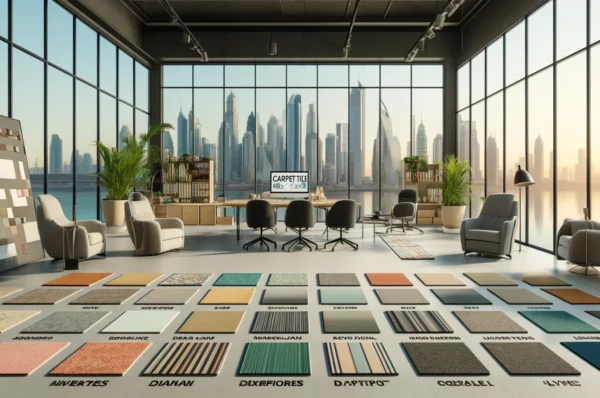
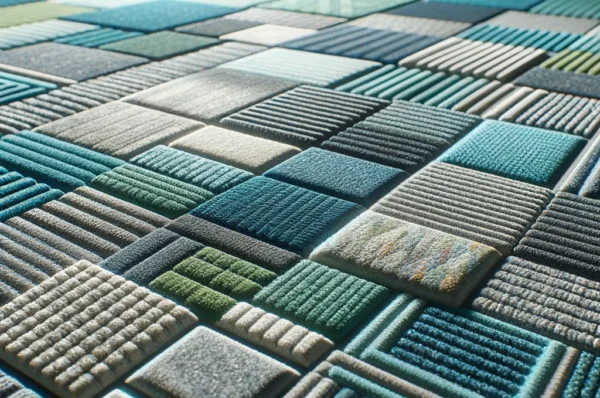
Explore the diverse types of carpet tiles and discover options for your flooring needs. Learn about various materials, patterns, and installation tips for enhancing both commercial and residential spaces.
Introduction
Carpet tiles, also known as modular carpets or carpet squares, offer a versatile and practical flooring solution suitable for both residential and commercial environments. They come in an array of materials, colors, and designs, providing flexibility and ease of installation that traditional broadloom carpets often lack. This adaptability makes carpet tiles a popular choice for those looking to customize their space with unique patterns and textures while also benefiting from the practicality of easy replacement and maintenance. In this guide, we will explore the various types of carpet tiles available in the market, highlighting their features, benefits, and ideal applications to help you make an informed choice for your flooring needs.
Table of Contents
Types of Carpet Tiles
Carpet tiles, also known as modular carpets or carpet squares, offer a convenient and flexible flooring solution, making them an increasingly popular choice in both commercial and residential settings. Available in various materials, colors, textures, and styles, carpet tiles can dramatically enhance the aesthetic and functionality of any space. This guide provides an in-depth look at the different types of carpet tiles, helping you make an informed decision based on your specific needs and preferences.
1. Nylon Carpet Tiles
Nylon carpet tiles offer a practical and stylish flooring solution for both commercial and residential spaces. Known for their durability, ease of installation, and versatile design options, nylon carpet tiles are a popular choice for areas that experience high foot traffic. This guide will explore the benefits, installation tips, and maintenance advice for nylon carpet tiles.
What are Nylon Carpet Tiles?
Nylon carpet tiles are modular squares made from nylon fibers that can be fitted together to cover a floor. They are a subset of carpet tiles which are available in various materials, but nylon is preferred for its strength and resilience.
Benefits of Nylon Carpet Tiles
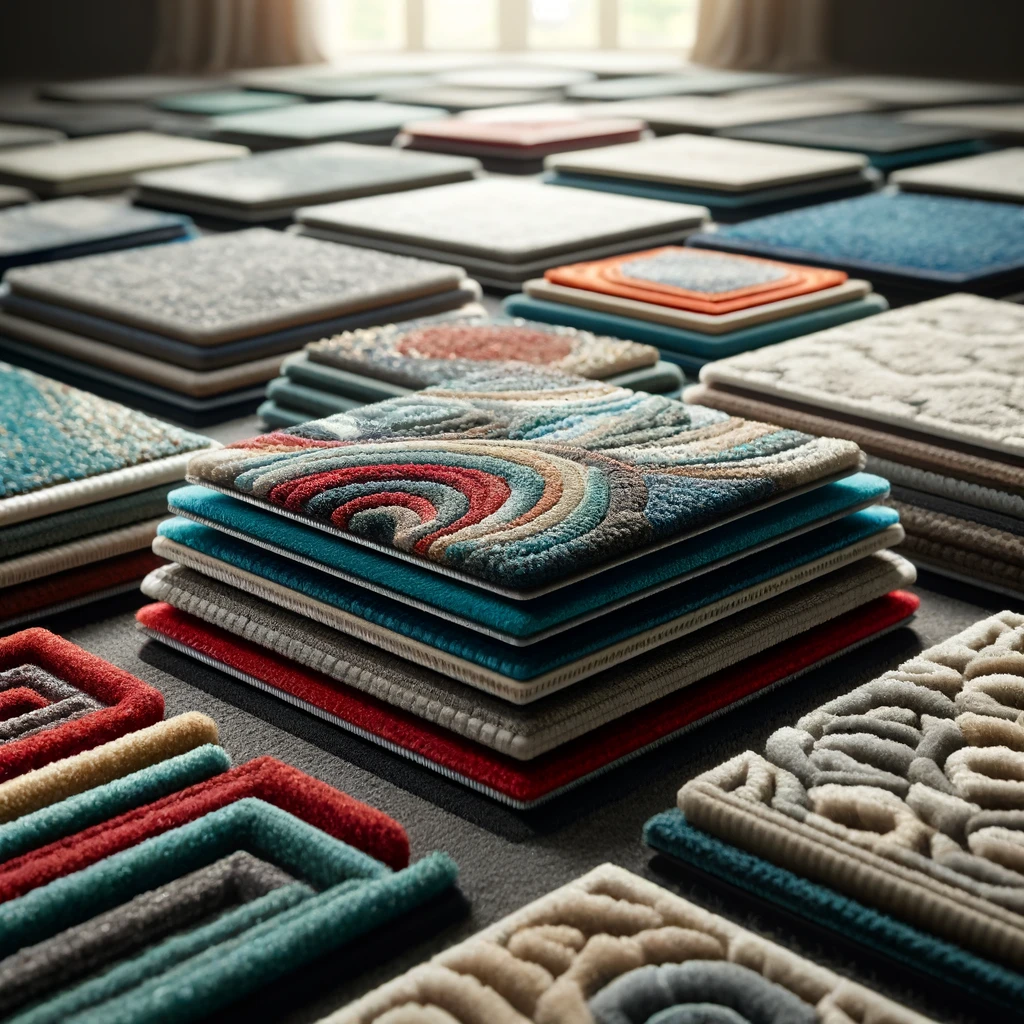
- Durability: Nylon is one of the most durable carpet materials available, resistant to wear and tear, making it ideal for busy environments like offices and schools.
- Maintenance: These tiles are easy to clean and maintain. Spills can be wiped up quickly, and individual tiles can be replaced if they are damaged, rather than replacing the entire floor.
- Design Flexibility: Available in a range of colors, patterns, and textures, nylon carpet tiles allow for creative design schemes and can easily be swapped out to update a room’s appearance.
- Cost-Effective: While initial costs might be higher than other flooring options, the longevity and lower maintenance costs of nylon carpet tiles make them a cost-effective choice over time.
Installation Tips
- Preparation: Ensure the subfloor is clean, dry, and level. Any dirt or moisture can affect the adhesion of the tiles.
- Planning: Lay out your tiles before adhering them to plan the pattern and ensure you have enough tiles to complete the job.
- Adhesion: Follow the manufacturer’s instructions for adhesion, which may include double-sided tape, adhesive dots, or glue.
- Cutting Tiles: You might need to cut tiles to fit around edges or corners. A sharp utility knife works best for this.
Maintenance and Care
- Regular Cleaning: Vacuum regularly to remove dirt and dust. Nylon fibers can trap dust particles, so frequent vacuuming helps maintain the quality of the carpet.
- Spot Cleaning: In case of spills, clean immediately with a mild detergent and water to prevent staining.
- Deep Cleaning: Periodic deep cleaning by professionals can help extend the life and appearance of your carpet tiles.
Polypropylene carpet tiles
Polypropylene carpet tiles, also known as olefin carpet tiles, are a popular choice for both commercial and residential spaces due to their durability, affordability, and ease of maintenance. These tiles are particularly favored in high-traffic areas as they offer substantial resistance to stains, moisture, and wear. This article explores the various aspects of polypropylene carpet tiles, including their benefits, applications, and installation tips.
Benefits of Polypropylene Carpet Tiles
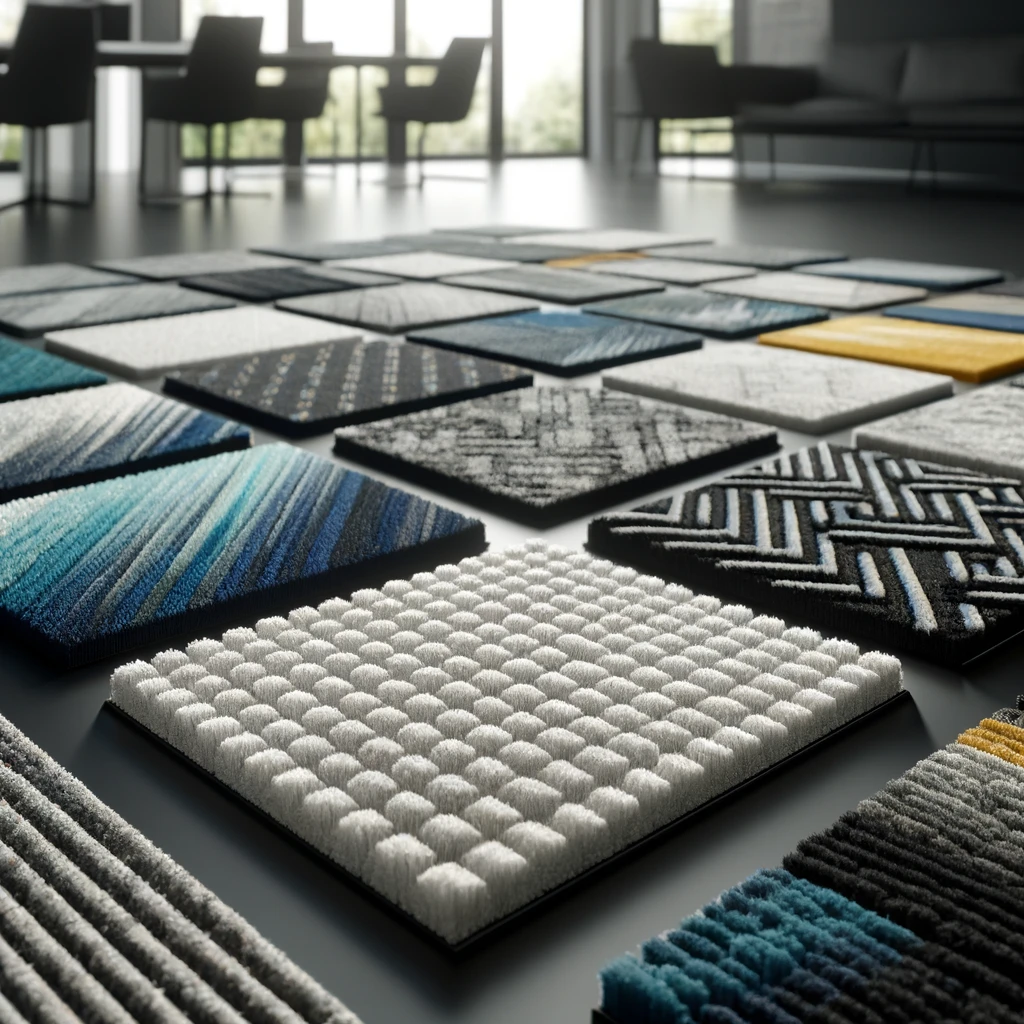
- Durability: Polypropylene is a synthetic fiber that is known for its strength and resilience. It can withstand significant wear and tear, making it ideal for places like offices, schools, and commercial buildings.
- Stain Resistance: These carpet tiles are highly resistant to stains as polypropylene is a non-absorbent material. Spills can be cleaned easily without leaving a residue, making these tiles a practical choice for areas prone to spills like dining areas or kitchens.
- Cost-Effective: Compared to other carpet materials like nylon or wool, polypropylene tiles are more affordable, offering budget-friendly flooring solutions without compromising on quality or aesthetic appeal.
- Moisture Resistance: Polypropylene fibers do not absorb water, which prevents the growth of mold and mildew. This feature makes polypropylene tiles a great option for basements, bathrooms, and other moisture-prone areas.
- Colorfastness: The fibers are solution-dyed, meaning the color is added during the fiber production phase, which results in vibrant colors that are resistant to fading even under prolonged exposure to sunlight.
Applications of Polypropylene Carpet Tiles
Polypropylene carpet tiles are versatile and can be used in various settings:
- Offices and Commercial Buildings: Their durability and ease of maintenance make them suitable for busy environments.
- Schools and Educational Facilities: The tiles’ resistance to stains and easy cleaning is beneficial in spaces used by children.
- Healthcare Facilities: The antimicrobial properties and ability to maintain hygiene under high traffic make these tiles ideal for hospitals and clinics.
- Residential Areas: They are also used in homes, particularly in basements, playrooms, and dining areas where moisture and stains are a concern.
Installation Tips for Polypropylene Carpet Tiles
- Preparation of the Subfloor: Ensure that the subfloor is clean, dry, and level before installation. Any dirt or moisture can affect the adhesion of the carpet tiles.
- Planning the Layout: Before installing, plan the layout of the tiles to minimize cutting and waste. Consider the direction of the tile pile for a uniform look.
- Adhesive Options: Depending on the type of installation, you can choose between dry adhesives, such as tape or stickers, or wet adhesives for a more permanent solution.
- Cutting Tiles: Use a sharp utility knife with a straight edge to cut the tiles to fit around obstacles or to size for the room’s perimeter.
- Maintenance: Regular vacuuming and immediate attention to spills will keep polypropylene carpet tiles looking their best. Periodic deep cleaning is also recommended.
Polyester Carpet Tiles
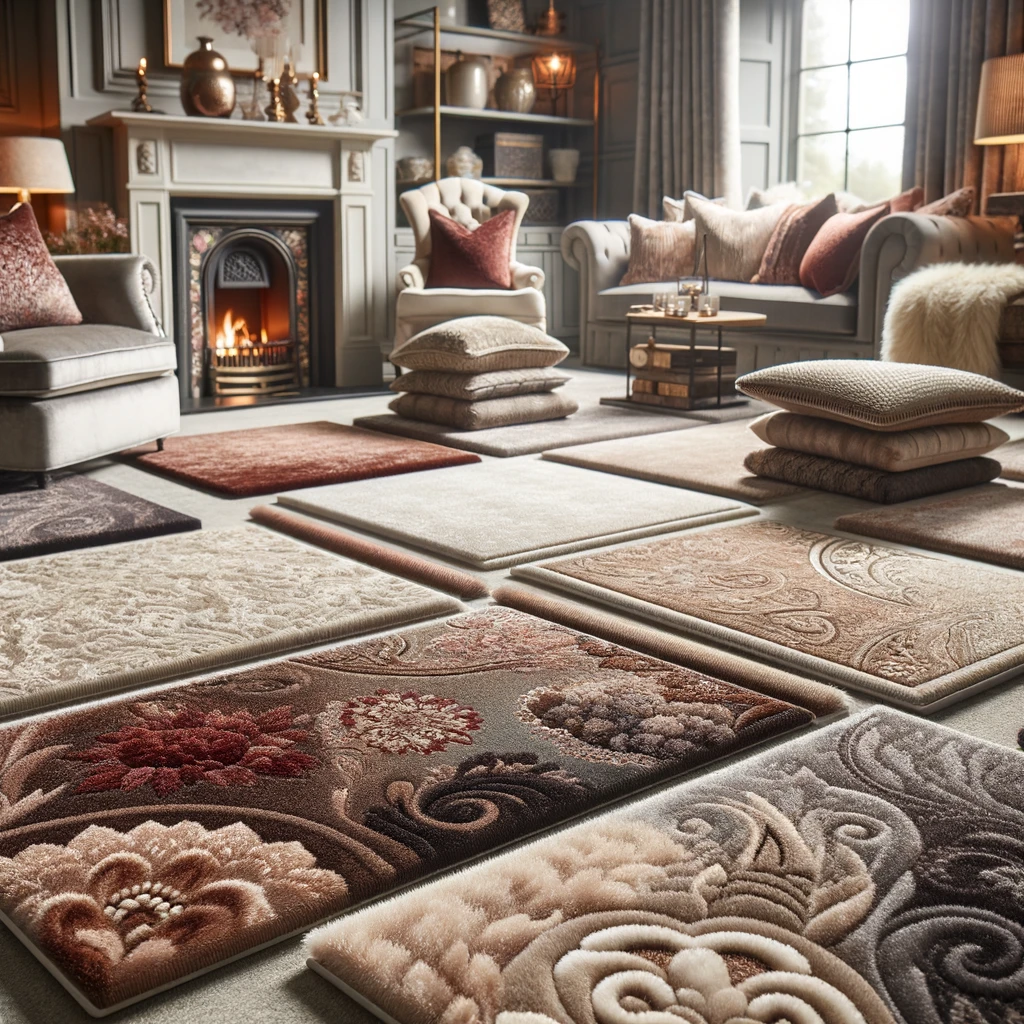
Polyester carpet tiles are becoming increasingly popular in both residential and commercial settings due to their aesthetic appeal and cost-effectiveness. Known for their vibrant colors and soft texture, polyester carpet tiles offer a practical alternative to traditional carpeting. This guide will delve into the advantages, installation process, and care instructions for polyester carpet tiles.
What are Polyester Carpet Tiles?
Polyester carpet tiles are modular pieces of carpet, made from polyester fibers, that can be assembled to cover floors in a variety of spaces. They combine the plush feel of standard carpets with the flexibility and convenience of tile format.
Advantages of Polyester Carpet Tiles
- Affordability: Polyester is generally less expensive than materials like nylon, making these tiles a budget-friendly option for flooring.
- Color Retention: Polyester fibers are highly stain-resistant and retain vibrant colors well, making them ideal for designs that feature bold and bright patterns.
- Softness: Polyester is known for its softness, providing a comfortable underfoot experience which is particularly appealing in homes.
- Eco-Friendly Options: Many polyester carpet tiles are made from recycled plastics, such as PET bottles, offering an eco-conscious flooring solution.
Installation Tips
- Surface Preparation: Ensure that the floor surface is clean, smooth, and dry before starting the installation.
- Layout Planning: Before permanently placing the tiles, plan the layout by temporarily laying them out on the floor. This helps in visualizing the pattern and confirming the quantity of tiles needed.
- Fixing Method: Depending on the brand and type, polyester carpet tiles can be installed using adhesives, double-sided tape, or even interlocking edges that snap together without additional adhesives.
- Customization: Tiles can be easily cut with a sharp knife to fit irregular shapes or corners, allowing for a customized installation.
Maintenance and Care
- Regular Vacuuming: Regular cleaning with a vacuum cleaner is essential to remove dirt and dust that can accumulate in the fibers.
- Immediate Spot Cleaning: Quick action on spills with a mild cleaning solution can prevent stains from setting in.
- Professional Cleaning: For deep cleaning, it is recommended to hire professional cleaners who specialize in carpet cleaning to ensure the longevity and fresh appearance of the tiles.
Environmental Impact
While polyester is not as renewable as some natural fibers, the ability to produce it from recycled materials has lessened its environmental impact. The industry has seen a shift towards more sustainable practices, including the use of recycled content and more efficient manufacturing processes.
Recycled Material Carpet Tiles
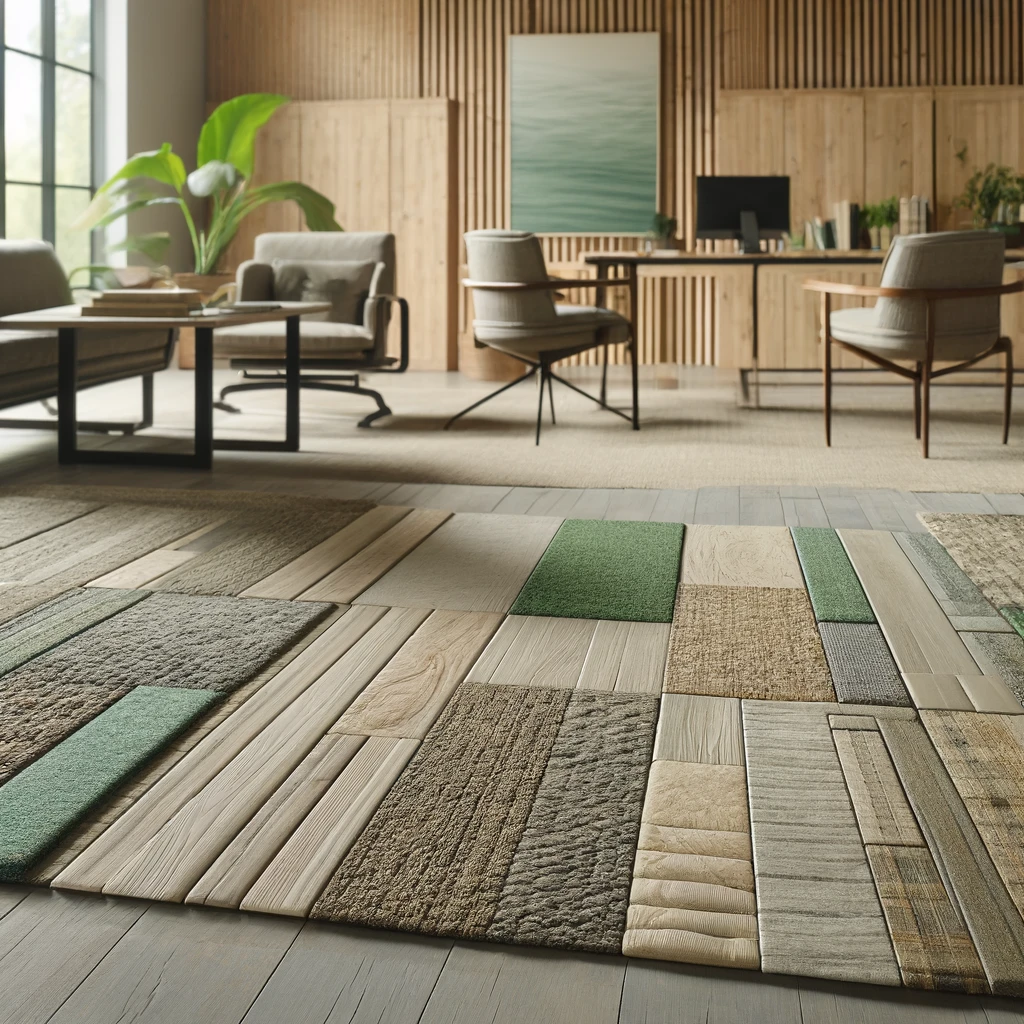
Recycled material carpet tiles represent a significant step towards sustainable building practices, combining eco-friendliness with practicality and aesthetic versatility. These tiles are made from recycled materials such as reclaimed nylon, polyester, and other synthetic fibers, which help reduce the environmental impact of production and waste. This article delves into the benefits, applications, and installation considerations of recycled material carpet tiles.
Benefits of Recycled Material Carpet Tiles
- Environmental Impact: The primary advantage of these carpet tiles is their contribution to reducing landfill waste. By using recycled materials, these tiles help conserve natural resources and reduce the carbon footprint associated with new material production.
- Durability and Maintenance: Similar to traditional carpet tiles, those made from recycled materials offer excellent durability and ease of maintenance. They are designed to withstand heavy foot traffic, making them ideal for commercial settings.
- Cost-Effectiveness: While they can be slightly more expensive than standard carpet tiles, the long-term cost benefits of recycled material carpet tiles are significant due to their durability and the reduced environmental cleanup costs.
- Aesthetic Flexibility: Manufacturers of recycled carpet tiles offer a wide range of colors, patterns, and textures that do not compromise on style. This variety allows for creative design choices that can enhance any interior space.
- Improved Indoor Air Quality: Many recycled carpet tiles are produced with low volatile organic compounds (VOCs), improving the air quality of the indoor environments in which they are installed.
Applications of Recycled Material Carpet Tiles
Recycled carpet tiles are versatile and can be used in various environments:
- Corporate Offices: Their robustness and aesthetic variety make them suitable for office spaces that seek to project an eco-friendly image.
- Educational Institutions: Schools and universities benefit from the durability and easy maintenance of these tiles, along with their positive environmental message.
- Retail Spaces: The ability to withstand high traffic and the attractive designs available make recycled tiles a good choice for shops and boutiques.
- Healthcare Facilities: Their contribution to better indoor air quality and ease of maintenance make them suitable for hospitals and clinics.
- Residential Settings: Especially appealing for eco-conscious homeowners, these tiles are suitable for areas like home offices, basements, or playrooms.
Installation Tips for Recycled Material Carpet Tiles
- Subfloor Preparation: As with any flooring, ensure the subfloor is clean, level, and dry before installation. This ensures the adhesive bonds well and the tiles lay flat.
- Strategic Layout: Plan the layout to minimize waste, considering the directional arrows on the back of tiles to keep the pattern consistent across the space.
- Choosing Adhesives: Opt for eco-friendly adhesives with low VOC levels to maintain the environmental integrity of the installation.
- Handling and Cutting: Recycled tiles should be handled carefully to prevent damage. Use a sharp knife and a straightedge to make precise cuts when necessary.
- Ongoing Care: Regular vacuuming and immediate stain removal will extend the life and appearance of the carpet tiles. Consider professional cleaning for deep stains and built-up dirt.
Plush Carpet Tiles
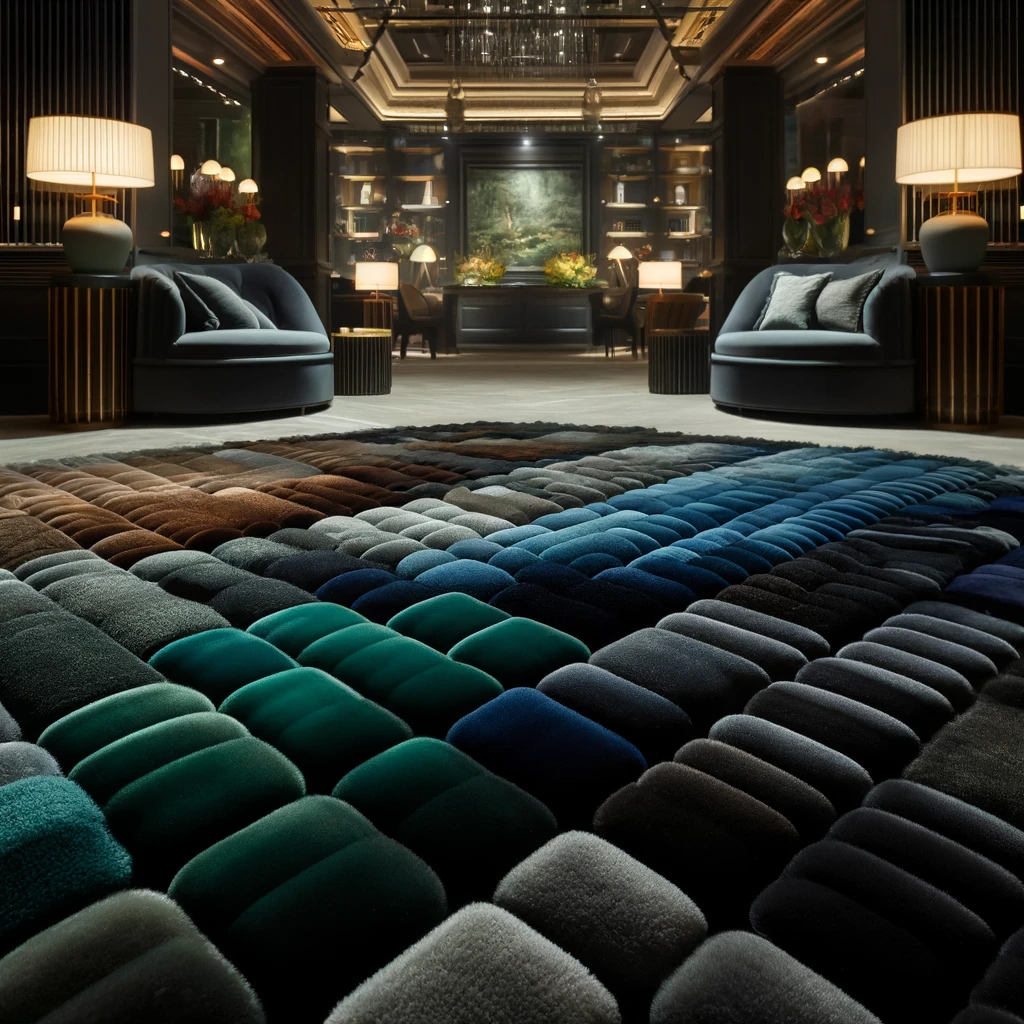
Plush carpet tiles bring the luxurious feel of wall-to-wall plush carpeting with the added practicality and versatility of tile format. Ideal for spaces that require a touch of elegance and comfort, such as residential living areas and executive office spaces, plush carpet tiles are both visually appealing and delightfully comfortable underfoot. This guide provides a detailed look at the benefits, installation techniques, and maintenance tips for plush carpet tiles.
What are Plush Carpet Tiles?
Plush carpet tiles are modular squares of high-pile carpet designed to fit together seamlessly to create a continuous, soft surface. They are characterized by a dense, deep pile that offers superior softness and a classic, refined appearance.
Benefits of Plush Carpet Tiles
- Comfort: The deep pile of plush carpet tiles provides a soft, cushioned feel, making them comfortable to walk on.
- Sound Insulation: The density of plush tiles makes them excellent at absorbing sound, reducing noise levels in busy environments.
- Thermal Insulation: These tiles can help keep a room warm, adding an extra layer of insulation to the floor.
- Aesthetic Appeal: Plush carpet tiles are available in various colors and textures, allowing for elegant and sophisticated interior designs.
- Versatility: They are suitable for both residential and commercial settings, enhancing the décor without compromising on functionality.
Installation Tips
- Floor Preparation: The subfloor should be thoroughly cleaned and leveled. Any imperfections can prevent the tiles from lying flat and connecting properly.
- Planning the Layout: Measure the area and plan the layout to minimize cutting and waste. Consider the direction of the pile for a uniform look.
- Adhesive Methods: Depending on the manufacturer’s recommendations, you can use either a pressure-sensitive adhesive, tackifier, or double-sided tape to secure the tiles.
- Handling Cuts: Use a sharp carpet knife for any necessary trimming, and ensure cuts are clean and precise for the best fit.
Maintenance and Care
- Routine Cleaning: Vacuum regularly to remove dirt and maintain the pile. Use a vacuum with adjustable height to avoid damaging the plush fibers.
- Spot Cleaning: Address spills promptly to prevent stains. Use a mild detergent and water for cleaning, and dab rather than rub to protect the pile.
- Professional Care: Periodically, it may be beneficial to have the tiles professionally cleaned to refresh the pile and maintain their luxurious appearance.
Environmental Considerations
While plush carpet tiles add a touch of luxury, they typically require more material to produce than lower pile carpets, which can increase their environmental footprint. However, some manufacturers offer tiles made from recycled materials or designed for recyclability, helping to mitigate environmental impacts.
Berber Carpet Tiles
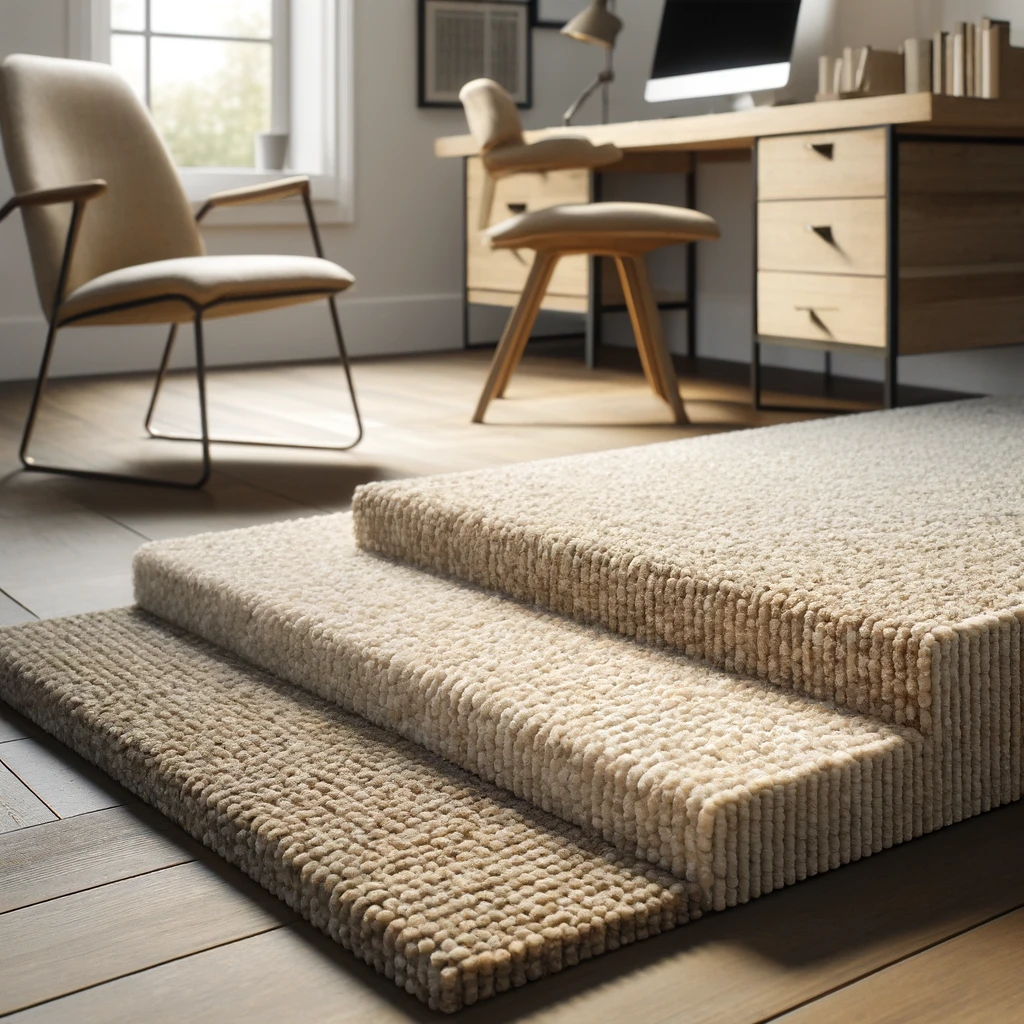
Berber carpet tiles offer a unique blend of durability, versatility, and classic style, making them a favored choice for both residential and commercial environments. Named after the traditional hand-woven carpets of the Berber people in North Africa, modern Berber carpet tiles are known for their looped pile and flecked color patterns. This guide will explore the features, benefits, installation advice, and maintenance tips for Berber carpet tiles.
What are Berber Carpet Tiles?
Berber carpet tiles are square or rectangular pieces of carpet with a distinct loop pile construction that resists footprints and vacuum marks. These tiles are typically made from olefin, nylon, or a blend of fibers and often feature a speckled look due to the natural color variations of the fibers used.
Benefits of Berber Carpet Tiles
- Durability: The looped design of Berber tiles makes them exceptionally durable, capable of withstanding heavy foot traffic without showing wear.
- Stain Resistance: Many Berber carpets are made with olefin, which is inherently stain-resistant, making these tiles an excellent choice for areas prone to spills.
- Cost-Effective: Berber tiles can be less expensive than other carpet styles due to the efficiency of their manufacturing process.
- Aesthetic Versatility: The characteristic flecked or multi-colored pattern of Berber helps conceal dirt and debris, while its aesthetic complements various decor styles, from rustic to contemporary.
- Comfort: Despite their durability, Berber tiles provide a comfortable, cushioned feel underfoot, which can be enhanced with the right underpadding.
Installation Tips
- Subfloor Preparation: Ensure the subfloor is clean, dry, and level. Any debris or moisture can hinder the adhesive and affect the appearance and longevity of the tiles.
- Design Layout: Berber tiles can be installed in different directions to create subtle patterns and texture variations. Plan your layout before installation to optimize the aesthetic impact.
- Securing Tiles: Use a recommended adhesive or double-sided carpet tape to secure the tiles. For areas with heavy traffic, consider a full-spread adhesive method for added stability.
- Trimming Edges: Use a sharp utility knife to cut the tiles for edge pieces, ensuring that cuts are clean and precise for a professional finish.
Maintenance and Care
- Regular Vacuuming: Frequent vacuuming with a suction-only vacuum cleaner is advised to prevent pulling on the loops.
- Immediate Spot Cleaning: Clean spills quickly with a mild cleaning solution and a damp cloth. Avoid rubbing harshly, which can untwist the loops.
- Periodic Deep Cleaning: Schedule professional cleaning annually or biannually, depending on traffic levels, to maintain the appearance and hygiene of the carpet tiles.
Environmental Considerations
While traditionally made from synthetic materials, many manufacturers now produce Berber carpet tiles using recycled materials, reducing their environmental impact. Additionally, the longevity and durability of Berber tiles contribute to less frequent replacement and waste.
Patterned Carpet Tiles
Patterned carpet tiles are a dynamic and stylish flooring option that combine practicality with creative design. These tiles come in various patterns, colors, and textures, allowing for custom layouts that can enhance any room’s aesthetic. Ideal for both commercial and residential settings, patterned carpet tiles offer an easy way to inject personality and style into a space. This article will explore the benefits, applications, and design considerations associated with patterned carpet tiles.
Benefits of Patterned Carpet Tiles
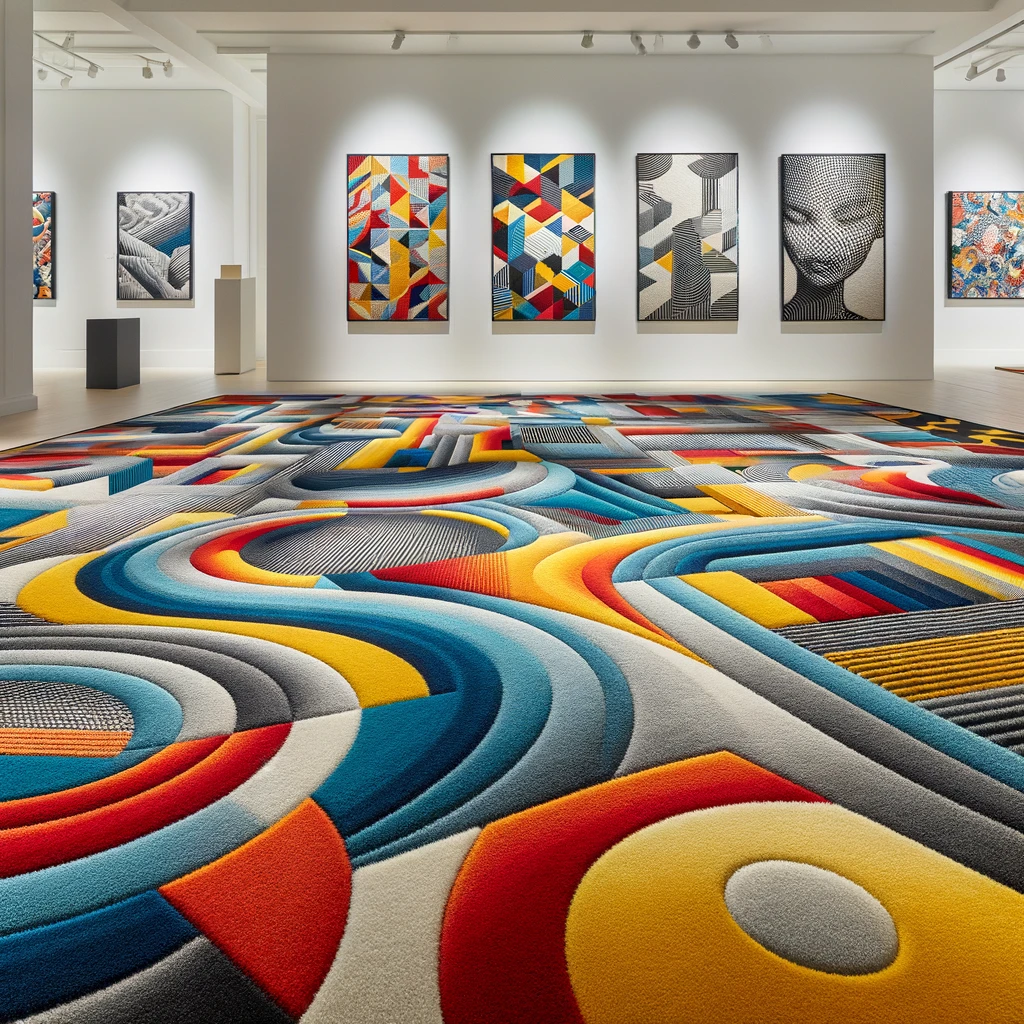
- Visual Appeal: Patterned carpet tiles can transform a plain room into a vibrant space. Whether it’s a subtle geometric design or a bold, colorful pattern, these tiles can be a focal point or complement existing decor.
- Versatility in Design: With endless combinations of patterns and colors, these tiles can be mixed and matched to create unique layouts. This versatility is particularly useful in spaces that need zoning or specific path designs.
- Durability: Like other carpet tiles, the patterned varieties are designed to withstand heavy foot traffic, making them suitable for busy environments. They often mask dirt and footprints better than solid-color carpets.
- Ease of Installation: Carpet tiles are known for their straightforward installation process. Patterned tiles can be particularly forgiving during installation because their designs can hide seams and cuts more effectively.
- Maintenance and Replacement: Individual tiles can be easily replaced if they become stained or worn, which is more cost-effective than replacing an entire carpeted area.
Applications of Patterned Carpet Tiles
Patterned carpet tiles are incredibly versatile and can be used in various settings:
- Offices and Commercial Spaces: Use distinct patterns to direct traffic or define different areas such as workstations, lounges, and meeting rooms.
- Educational Facilities: Bright and engaging patterns can stimulate learning and creativity, making them a great choice for schools and libraries.
- Healthcare Facilities: Patterned tiles can make these spaces more welcoming and less clinical, while also being easy to clean and maintain.
- Retail Shops: Eye-catching patterns can enhance the shopping experience and highlight specific merchandise areas.
- Residential Spaces: Great for adding character to rooms such as home offices, playrooms, or basements, where durability and easy maintenance are also appreciated.
Design Tips for Patterned Carpet Tiles
- Consider Scale and Proportion: Choose patterns that are proportional to the size of the room. Larger patterns can make a small room feel smaller, whereas smaller patterns can work well in any space.
- Mix and Match with Care: While it’s tempting to use multiple patterns, it’s important to balance them to avoid overwhelming the space. Consider using neutral tiles to break up more vivid patterns or align different patterns carefully to create a cohesive look.
- Directional Patterns: Pay attention to the direction of the patterns. Some tiles are designed to be laid out in a particular direction to achieve a specific visual effect.
- Color Scheme: Select colors that complement the walls and furniture in the space. Patterned tiles can be used to add contrast or to tie together different elements of the room’s decor.
- Sample Layouts: Before finalizing the installation, it’s advisable to lay out several tiles to see how the patterns and colors work together in the actual space.
Interlocking Carpet Tiles
Interlocking carpet tiles offer a versatile and user-friendly flooring solution that has gained popularity in both residential and commercial spaces. These tiles are designed with an interlocking mechanism, similar to a puzzle piece, which makes them easy to install and relocate if needed. This article will explore the benefits, applications, and practical considerations of using interlocking carpet tiles.
Benefits of Interlocking Carpet Tiles
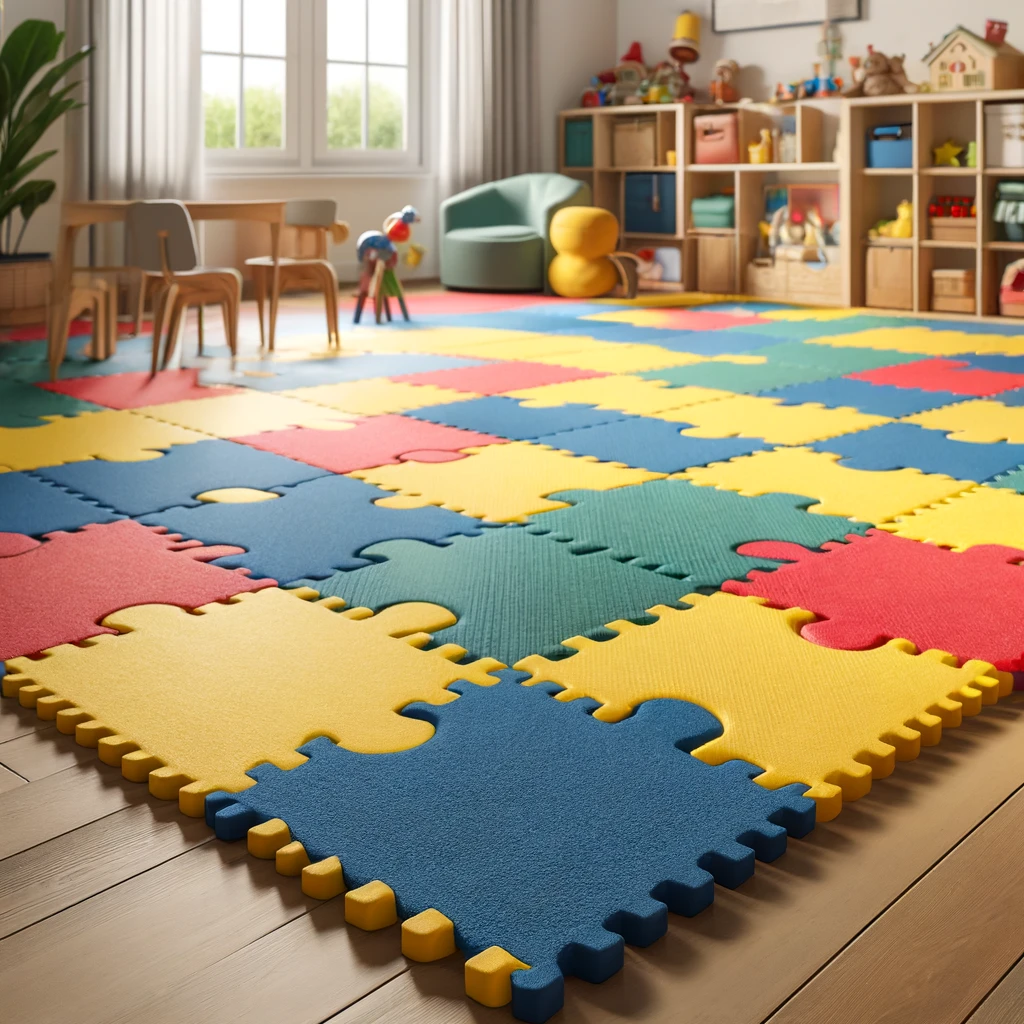
- Easy Installation: One of the main advantages of interlocking carpet tiles is their ease of installation. The tiles can be snapped together without the need for adhesives, tools, or professional installation, making them an ideal DIY project.
- Durability: Made from sturdy materials, these tiles are built to withstand heavy foot traffic and maintain their appearance over time. They are also typically constructed with a moisture-resistant and anti-microbial backing to enhance their longevity and hygiene.
- Flexibility in Design: Interlocking carpet tiles come in a variety of colors, textures, and patterns, allowing for customization in design. This flexibility can be particularly useful for creating unique patterns or defining different areas within a space.
- Portability and Reusability: Because they can be easily disassembled, these tiles are portable and reusable, which is excellent for temporary setups or for moving floors from one location to another.
- Maintenance and Replacement: These tiles are simple to clean and maintain. In the event of damage or staining, individual tiles can be replaced without the need to redo the entire floor, saving time and money.
Applications of Interlocking Carpet Tiles
Interlocking carpet tiles are suitable for various environments:
- Home Gyms and Playrooms: Their shock-absorbent and soft surface makes them ideal for active spaces like home gyms and children’s playrooms.
- Offices: They can quickly adapt to any office layout changes, and their sound-dampening qualities make them suitable for noisy environments.
- Trade Shows and Exhibitions: Their ease of installation and portability makes them perfect for temporary events where quick setup and breakdown are necessary.
- Basements: The moisture resistance of many interlocking carpet tiles makes them suitable for basements and other damp areas.
- Rental Properties: Landlords can benefit from the ease of replacement and maintenance, ensuring quick turnovers between tenants.
Installation Tips for Interlocking Carpet Tiles
- Preparation: Ensure the subfloor is clean, dry, and level before installation. This helps prevent unevenness and extends the life of the tiles.
- Layout Planning: Before snapping the tiles together, lay them out to visualize the final look, especially if working with patterns or multiple colors.
- Alignment: Start from one corner of the room and work your way out, ensuring each tile locks in place securely to avoid gaps.
- Cutting Tiles: If tiles need to be cut to fit the room, use a sharp utility knife and a straight edge to ensure clean, precise cuts.
- Handling Edges and Corners: Special attention may be needed for edges and corners to ensure they fit snugly against walls or other obstacles.
Custom Carpet Tiles
Custom carpet tiles provide a unique solution for those looking to personalize their space with tailored designs, specific colors, and unique materials. Ideal for commercial and residential environments, custom carpet tiles allow for a high degree of customization in flooring that meets specific aesthetic and functional requirements. This article explores the advantages, applications, and key considerations when opting for custom carpet tiles.
Benefits of Custom Carpet Tiles
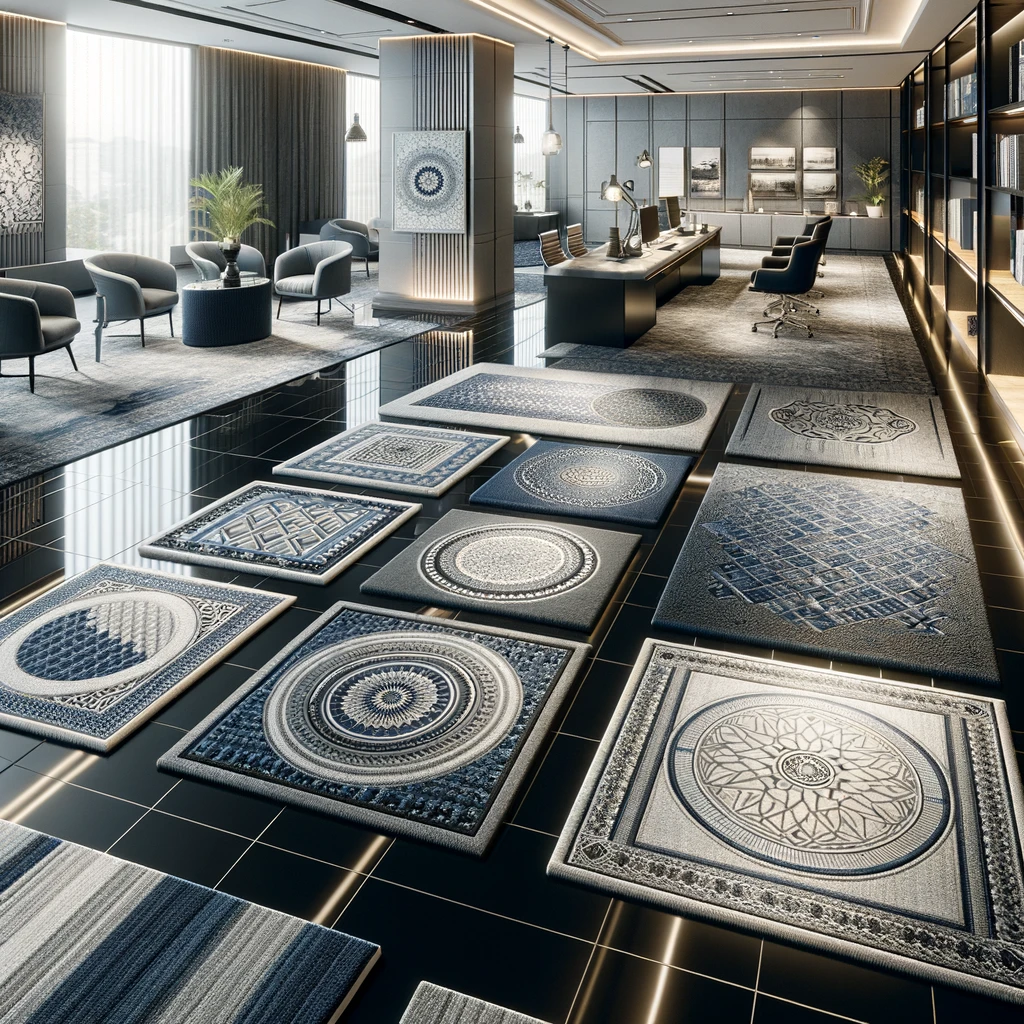
- Aesthetic Flexibility: Custom carpet tiles enable designers and homeowners to implement precise color schemes and patterns that align with their decor or branding. This flexibility can transform a space to reflect a company’s brand or an individual’s style preference.
- Dimensional Adaptability: These tiles can be cut and adjusted to fit irregular spaces and dimensions, which is particularly beneficial in rooms with unconventional shapes.
- Performance Features: Custom tiles can be designed with specific features in mind, such as enhanced durability, stain resistance, or noise reduction, tailored to the needs of the environment in which they will be used.
- Ease of Installation and Replacement: Like standard carpet tiles, custom options are easy to install and replace. This makes them an efficient choice for high-traffic areas where damage might occur, as individual tiles can be swapped out without replacing the entire floor.
- Eco-Friendly Options: Many manufacturers offer eco-friendly materials and processes, such as recycled fibers and low-VOC adhesives, catering to environmentally conscious consumers.
Applications of Custom Carpet Tiles
Custom carpet tiles are versatile and suitable for a wide range of applications:
- Corporate Offices: Create a workspace that reflects corporate identity through custom logos, corporate colors, or a design that stimulates productivity.
- Retail Spaces: Use vibrant patterns and colors that enhance the shopping experience and align with brand messaging.
- Hospitality Industry: Hotels and restaurants can benefit from custom tiles that contribute to the overall ambiance and comfort of their establishments.
- Educational Facilities: Schools and universities can use colors and patterns that are energetic and conducive to learning environments.
- Residential Spaces: Homeowners can design tiles that match their home decor and personal style, perfect for living rooms, children’s areas, or home offices.
Design Considerations for Custom Carpet Tiles
- Design Vision: Start with a clear concept. Consider how the color, pattern, and texture will interact with the existing decor and the intended mood of the space.
- Durability Needs: Assess the expected foot traffic and environmental conditions to determine the required durability and material properties.
- Sustainability: If environmental impact is a concern, consider opting for tiles made from recycled materials and ensure they are produced using sustainable practices.
- Budget: Custom options can vary significantly in price. Define a budget early in the design process to guide material choices and design complexity.
- Manufacturer Collaboration: Work closely with the manufacturer to ensure that the design translates well into production. Request samples to verify colors and materials before finalizing the order.
FAQ’s
What are the advantages of using carpet tiles instead of traditional carpet?
Advantages include ease of installation, cost-effectiveness, and versatility in design. Carpet tiles allow for easy replacement of damaged sections without replacing the entire carpet, making them practical for high-wear areas.
Are there eco-friendly carpet tiles?
Yes, many manufacturers now offer eco-friendly carpet tiles made from recycled materials, such as recycled nylon and plastic bottles. These tiles often have a lower environmental impact compared to traditional options.
How do I maintain carpet tiles?
Regular vacuuming is essential to remove dirt and prevent wear. Spot clean stains using a mild detergent and avoid soaking the tiles with excessive water. Periodic deep cleaning by professionals is recommended to extend the life of the carpet tiles.
Can I replace individual carpet tiles?
Yes, one of the primary benefits of carpet tiles is the ability to replace individual tiles. This makes them ideal for areas prone to spills or stains, as you can simply remove and replace the affected tiles.
Where can I purchase carpet tiles?
Carpet tiles can be purchased at most flooring retailers, home improvement stores, and online marketplaces. It’s advisable to review samples in person to ensure the color and texture meet your needs before making a large purchase.
Conclusion
Carpet tiles offer a unique and versatile flooring solution that caters to a wide range of tastes, budgets, and functional needs. Whether for commercial or residential use, the variety of materials—from durable nylon and polyester to luxurious wool and practical polypropylene—ensures there is a carpet tile option to suit any environment. Their modular design not only simplifies installation and maintenance but also fosters creativity in floor design, allowing for customization and flexibility that traditional carpet rolls cannot match.
The ability to replace individual tiles easily is a significant advantage, making carpet tiles particularly appealing for areas prone to wear and tear or frequent spills. Furthermore, the growing availability of eco-friendly options reflects a commitment to sustainability within the industry, offering consumers a way to beautify their spaces while also making environmentally responsible choices.