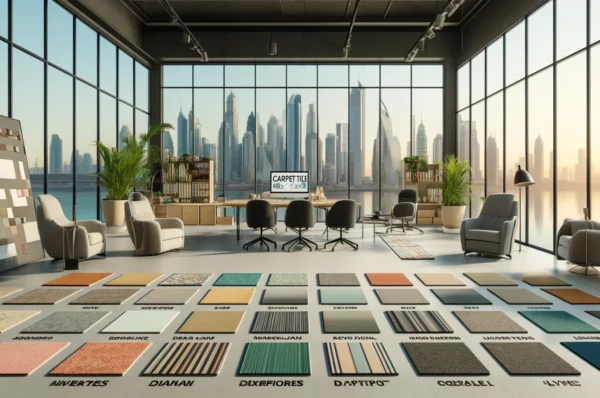
Find out about the environmental impact of carpet tiles, the methods of their production, sustainable development, and opportunities for recycling. Realize this can lower your carbon footprint and help save our planet by choosing eco-friendly carpet tiles.
Introduction
Due to its versatility, ease of installation and aesthetic appeal among other reasons carpet tiles have become a popular choice for flooring in both residential as well as commercial spaces. However with growing concerns over environment it is important that we look at what kind of ecological footprint these materials leave behind. Environmental impacts associated with the use of carpets range from extraction of raw materials through manufacturing processes up to disposal and this introduction seeks to explore how they affect our surroundings while still suggesting sustainable alternatives or practices that may mitigate against them.It is only through understanding all these factors that people can make decisions which are not only informed but also supportive towards sustainability hence reducing their carbon footprints.
Table of Contents
Environmental Impact
Carpet tiles are increasingly being used in commercial buildings and homes because they are versatile, easy to install and attractive. With this in mind, it becomes necessary for us to consider the environmental implications of such usage throughout their life cycle especially when global warming has become an issue worldwide. This involves looking into various aspects like where do raw materials come from; how much energy does one use during production process; what happens after we throw them away etcetera. In addition, we should also point out any sustainable measures taken by different industries within this sector plus innovations aimed at minimizing these negative effects on nature; otherwise we cannot fully realize what actually is being talked about here unless everything is covered under.
1. Raw Materials And Production
The first step towards making carpet tiles involves getting hold of some basic ingredients such as synthetic fibers (polypropylene, nylon, polyester). These fibers mainly come from non-renewable petroleum products which means extraction alone requires large amounts of energy besides contributing towards greenhouse gas emissions through refining stages too.Thereafter comes extrusion phase where hot temperatures are used to melt these polymers into desired shapes before further treatment takes place like dyeing or backing among others. Fiber extrusion for instance consumes much power due to high temperature requirements while dying process can be dangerous if large quantities of water and chemicals are not handled properly during finishing stage volatile organic compounds (VOCs) may be released that cause air pollution around work areas.
However, some manufacturers have started considering recycling methods and use bio-based materials instead so as to reduce environmental impacts brought about by carpet tiles. For instance, renewable options provided through corn or sugarcane based fibers could be an alternate choice against those derived from petroleum sources which are nonrenewable in nature.Moreover adding recycled content like post consumer nylons or polyesters helps divert waste away from landfills thus minimizing demand for new resources.
2. Resource Consumption And Emissions
A significant amount of energy is required in order to produce carpet tiles; this applies for both water and electricity. The quantities consumed vary depending on manufacturing processes employed including machinery types as well technology levels integrated within a given production line .Traditional factories tend to rely heavily on fossil fuels hence leading high emission rates but there have been efforts towards using solar energy systems where possible so that carbon footprints can be reduced.Water use becomes critical particularly during dying phase which requires huge volumes alongside other chemical inputs such as dyestuffs , surfactants etcetera whose disposal might pose risks if not properly managed.
Traditional ways of dyeing can use up to thousands of liters of water for every ton of carpet tiles manufactured. Water pollution is a potential risk when the resulting wastewater containing dyes is discharged without treatment. Solution dyeing and other advanced methods are more sustainable because they greatly reduce water consumption and limit chemical runoff.
Manufacturing plants emit greenhouse gases as well as volatile organic compounds (VOCs) and particulate matter. VOCs are released into the air during activities like applying backing or using adhesives, which can contaminate indoor environments and endanger the health of workers or occupants. To tackle this issue, low-VOC/non-toxic adhesives are being adopted alongside stricter emission control systems with air filters within industry.
3. Waste Generation and Recycling
Carpet tiles have a significant waste footprint on the environment. Production results in waste from off-cuts, trimmings, and defective items among others whilst at the end-of-life stage they are usually discarded in landfills where solid waste problem escalates.
Recycling initiatives play a vital role in minimizing the environmental impact caused by carpet tile waste. Some manufacturers have established take-back schemes whereby used carpet tiles are collected, processed then transformed into new products through recycling procedures. This closed-loop system not only helps reduce landfill volumes but also conserves resources as well as lowering GHG emissions associated with virgin material production.
During mechanical recycling, carpet tiles are shredded so that fibers can be separated from backing materials. These fibers can be reprocessed into new yarns while the backings could serve as raw materials for making fresh tiles or other commodities Chemical recycling conversely involves breaking down synthetic fibers to their constituent chemicals which may be utilized in producing new polymers Though chemical recycling is more intricate and energy-demanding it has potential for yielding higher grade recycled materials.
4. Sustainable Practices and Innovations
The carpet tile sector continues to strive towards sustainability through different practices coupled with innovation One notable approach has been the utilization of recycled content during manufacturing processes. More and more producers are incorporating post-consumer or post-industrial recycled materials into their goods For instance discarded fishing nets or old carpets could be used as feedstock for making new carpet fibers thereby reducing dependence on virgin resources.
Another emerging trend is eco-friendly carpet tiles made from natural fibers like wool, sisal or jute These types of materials are renewable, biodegradable and often have lower environmental impacts compared to synthetics Additionally natural dyes and finishes can further decrease ecological footprints associated with these flooring products.
Improvements in production technology are driving energy efficiency gains alongside reduced emissions. One example is modular carpet tile systems that employ non-toxic peel-and-stick adhesives thus eliminating the need for traditional adhesives known to off-gas harmful chemicals like VOCs Another example involves designing carpet tiles with interchangeable patterns/colors which allows damaged sections to be easily replaced hence prolonging overall lifespan of such floorings whilst minimizing waste generation.
5. Lifecycle Assessment and Certifications
Lifecycle assessments (LCAs) are conducted in order to comprehensively evaluate the environmental impacts of carpet tiles LCAs take into account all stages involved in a product’s life cycle; ranging from raw material extraction through disposal thus providing a holistic understanding about its environmental performance This appraisal helps identify areas for improvement as well guides sustainable product development efforts.
Certifications are crucial in guiding consumers and businesses toward eco-friendly carpet tiles. Among the programs are Cradle to Cradle, LEED (Leadership in Energy and Environmental Design), and Green Label Plus which establish strict environmental performance standards such as material health, resource efficiency, and indoor air quality. Environmentally conscious customers and companies often prefer certified carpet tiles because they show that the product is sustainable.
For example, Cradle to Cradle certification evaluates products using five categories: material health, material reutilization, renewable energy use, water stewardship, and social fairness. LEED certification concentrates on sustainable building practices while Green Label Plus certifies products with low VOC emissions. People can help create a healthier and more sustainable world by selecting these certified carpets.
Sustainable Materials in Carpet Tiles

The flooring industry has been greatly affected by the desire for sustainable development. The use of eco-friendly materials in carpet tiles has evolved significantly due to their versatility and simplicity of installation. These improvements not only lower the environmental effect, they also improve performance and aesthetic appeal. This paper will discuss the different kinds of environmentally friendly materials used in making carpet tiles such as natural fibers, recycled content, and eco-friendly adhesives while highlighting their benefits towards a greener world.
1. Natural fibers
Natural fiber is one crucial component when it comes to producing sustainable carpet tiles. Unlike synthetic fibers which are made from oil products; natural fibers can be replenished since they biodegrade easily. Examples of commonly used types of these include sisal, wool, jute, or seagrass among others.
- Wool is commonly used because it lasts long, resists stains naturally and provides insulation too. It also does not cause allergies as dust mites get trapped within its fibers thus improving indoor air quality. Being sourced from sheep makes wool renewable since they can be sustainably reared for their fur without depleting them completely.
- Another alternative material that could be considered sustainable is sisal derived from agave plants; this type of fabric is highly durable and hence suitable for areas with high traffic volumes where wear and tear may occur frequently. The dyeing process for sisal fibers should be done using environment-friendly non-toxic dyes so as to enhance more on its ecofriendliness since they naturally degrade easily after being exposed to soil or water bodies.
- Jute on the other hand serves mostly as backing material behind most carpeting squares due to its fast growth rates requiring little pesticides or fertilizers during the cultivation stage thus making it biodegradable enough even compostable when finally worn out fully. Additionally, jute stabilizes these tiles very well because it forms a strong base support system beneath them hence adding to their lifespan too.
- Seagrass which grows along coastal meadows provides unique textures besides also being moisture proof thus making it ideal for places prone to spills. For this reason, seagrass fibers can biodegrade back into the environment without causing any harm whatsoever.
2. Recycled content
Including recycled content within carpet tiles is a huge move towards sustainability. It could be from different sources such as post-consumer or post-industrial waste.
- Among the commonly used materials in sustainable carpeting squares is Nylon which has been recycled. Sometimes getting rid off fishing nets, old carpets and other nylon products that are no longer needed are among the sources where recycled nylon comes from. Recycling nylons saves on virgin resources hence reducing the global warming potential associated with the production process by lessening the release of greenhouse gases into the atmosphere. In terms of strength as well as durability there’s not much difference between these two types since both have almost similar properties.
- Polyester can also be seen as another eco-friendly alternative especially when derived out of PET bottles by converting them into fibres used for making carpets instead of dumping them on landfills or oceans thereby leading to decreased plastic waste accumulation. Recycled polyester does not only resist stains but it’s long-lasting too; additionally, there many different colors that can be dyed offering aesthetic advantages while being friendly towards the environment.
- Some carpet tiles have a backing made out of rubber that has been recycled.Mostly obtained from tires among other rubber items considered waste materials. Rubberized floorings act like cushions preventing noise pollution by soundproofing rooms where they’re installed apart from providing comfortability underfoot thus enhancing the overall functionality of this type of flooring system. Furthermore, recycling rubber contributes towards the circular economy model while minimizing need for landfill space for disposal purposes
- Low-VOC Adhesives have been made in such a way that the release of harmful chemicals is reduced. These adhesives use water-based formulations or plant-based ingredients, which makes them friendlier to the environment and improves indoor air quality. They also work just as well as traditional adhesives do, ensuring that there will be strong bonding and durability.
- Bio-Based Backing Materials are derived from renewable resources like corn or soybean oil. These materials offer an alternative to petroleum-based backing which is sustainable. At the end of their life cycle, bio-based backings biodegrade easily and can also be composted. They also have great performance characteristics such as being resistant to moisture and having dimensional stability.
- Another environmentally friendly backing material is Thermoplastic Polyolefin (TPO). TPO is a recyclable plastic that can be reprocessed multiple times without losing much of its quality each time. This type of backing provides flexibility, durability, and moisture resistance which means it can be used in many different applications. Its recyclability helps contribute towards a circular economy as well as reducing landfill waste.
4. Advantages Of Using Sustainable Materials
There are several benefits associated with using sustainable materials when making carpet tiles apart from just environmental considerations; they include:
- Better Indoor Air Quality: Sustainable materials such as natural fibers and low-VOC adhesives help in improving indoor air quality by minimizing the release of harmful chemicals into the atmosphere especially when it comes to enclosed spaces where there may not be enough air circulation.
- Longer Lifespan: Wool along with other recycled nylon-based fabric types offers higher durability levels compared to conventional ones hence this implies that these particular products will last longer thus reducing the frequency at which replacement should take place thereby resulting in less waste generation.
- Supports The Circular Economy: Incorporating recycled content plus recyclable components within carpet tiles supports principles behind the Circular Economy whereby manufacturers are able to reduce waste production through reuse or recycling while conserving resources used during the production process thus minimizing the overall environmental impact caused by their products.
5. Industry Innovations And Certifications
The carpet tile industry is always finding new ways of making sustainable materials work for them and the environment, they do this through:
- Certifications: There exist several certifications as well as standards that act as guides towards identifying eco-friendly items in marketplaces.
- Cradle to Cradle Certification evaluates products based on material health, material reutilization, renewable energy use, water stewardship, and social fairness. Carpet tiles that achieve this certification demonstrate a commitment to sustainability throughout their lifecycle.
- LEED Certification (Leadership in Energy and Environmental Design) focuses on sustainable building practices. Carpet tiles that contribute to LEED certification points help builders and architects create environmentally friendly buildings.
- Green Label Plus Certification certifies carpet tiles with low VOC emissions. This certification helps consumers identify products that contribute to healthier indoor air quality.
- Manufacturers have also been looking into different types of materials along with technologies that could assist in boosting sustainability levels surrounding carpet tiles such as; biodegradable fibers, and natural dyes among others, or even modular tile systems that can easily be replaced or reconfigured thereby extending product life while reducing waste generation.
Consumer Guide To Eco-Friendly Carpet Tiles
Selecting eco-friendly carpet tiles for your home or office is not only a great way to contribute towards environmental conservation but also gives one an opportunity to have stylish yet practical flooring solutions. As such, these particular types of carpets are designed with the aim of minimizing their ecological footprints through the use of sustainable materials, reduced emissions as well improved recyclability rates. This guide provides useful information concerning the selection process for eco-friendly carpet tiles; the benefits associated with them; key features to look out for when making such purchases plus tips on how best one can make an informed decision before buying any type of carpeting material.
1. Advantages Of Eco-Friendly Carpet Tiles
Cost-effective: Although they may seem more expensive at first, eco-friendly carpet tiles are actually a cost-effective choice in the long run. Their durability and longevity mean that they will not have to be replaced as often as traditional carpets.
- Easy to Install and Maintain: Eco-friendly carpet tiles are easy to install and can be done by anyone with basic DIY skills. They can also be replaced individually if a small area gets damaged or stained, saving time and money on repairs.
- Design Flexibility: There is a wide range of colors, patterns, and textures available in eco-friendly carpet tiles, allowing for endless design possibilities. They can be mixed and matched to create unique patterns or used to complement other types of flooring.
- Recyclable and Reusable: Most eco-friendly carpet tiles are recyclable at the end of their life cycle. Some manufacturers even offer take-back programs where old tiles are collected and reused or recycled into new products.
- Noise Reduction: The carpet naturally absorbs sound, which can help reduce noise levels in busy areas or buildings with multiple floors. This makes it a popular choice for offices, schools, hotels, and other commercial spaces.
- Comfortable underfoot: Eco-friendly carpet tiles provide a soft and cushioned surface to walk on, making them comfortable underfoot. They also act as an insulator, helping to keep rooms warm in winter and cool in summer.
- Easy Maintenance: Carpet tiles are easy to clean and maintain, with individual tiles that can be replaced if damaged. This modular design extends the lifespan of the flooring and reduces maintenance costs.
- Aesthetic Variety: Eco-friendly carpet tiles come in a wide range of colors, patterns, and textures, allowing for creative and personalized flooring designs that suit any décor.
2. Key Features to Look For
To make sure that you are purchasing carpet tiles that are both sustainable and of high quality, you should keep the following things in mind:
- Recycled Content: Seek out carpet tiles made from recycled materials such as post-consumer nylon, polyester, or rubber. Opting for products with a higher percentage of recycled content helps to reduce waste and minimize environmental impact.
- Natural Fibres: Go for carpet tiles that have been manufactured using natural renewable fibers like wool, sisal, jute, or seagrass. These materials are biodegradable and have a much lighter ecological footprint than their synthetic counterparts.
- Low VOC Emissions: Make sure that the carpet tiles you choose are certified as being low-VOC so as to minimize indoor air pollution caused by chemicals evaporating into the atmosphere from certain products over time. For instance look for certifications such as Green Label Plus or Greenguard – these mean that the product meets strict standards relating to indoor air quality.
- Sustainable Backing: Look out for backing materials made from either recycled or bio-based components when buying carpet tiles. Some eco-friendly examples include thermoplastic polyolefin (TPO), which is derived from petroleum but can be recycled multiple times without losing any performance qualities; natural latex harvested from rubber trees grown on plantations dedicated solely to this purpose; and even old tires ground up into granules then molded back together again under pressure – known as ‘recycled rubber’.
- Eco-friendly Adhesives: Ensure that only non-toxic adhesives with low levels of volatile organic compounds (VOCs) are used during the installation of these types of flooring systems; peel-and-stick options might also prove more environmentally friendly since they often require less adhesive material overall.
- Certifications: Look for environmental certifications like Cradle to Cradle, LEED or BREEAM, which all ensure that the carpet tiles have been manufactured following rigorous sustainability criteria throughout their entire life-cycle – from raw material extraction right through to disposal after use.
- Recycling: When they are no longer usable, you can recycle your carpet tiles through manufacturer take-back programs or local recycling facilities. Many manufacturers have programs that collect and recycle old tiles so that they do not end up in a landfill.
3. Making an Informed Purchase
To make an informed purchase of eco-friendly carpet tiles, follow these steps:
- Research Brands and Products: Start by researching brands that specialize in eco-friendly flooring. Look for manufacturers with a strong commitment to sustainability and transparent sourcing and production practices.
- Read Product Labels: Carefully read product labels and descriptions to verify the sustainability features of the carpet tiles. Check for information on recycled content, natural fibers, VOC emissions, and environmental certifications.
- Compare Products: Compare different products based on their environmental impact, durability, and cost. Consider the total cost of ownership, including installation, maintenance, and potential replacement costs.
- Ask Questions: Don’t hesitate to ask the retailer or manufacturer questions about the sustainability of their carpet tiles. Inquire about the sourcing of materials, manufacturing processes, and end-of-life recycling options.
- Consider Installation and Maintenance: Choose carpet tiles that are easy to install and maintain. Modular tiles that can be individually replaced reduce waste and extend the life of your flooring. Ensure that the installation method uses eco-friendly adhesives or peel-and-stick options.
- Evaluate Performance: While sustainability is crucial, also consider the performance characteristics of the carpet tiles. Look for products that offer good stain resistance, durability, and comfort underfoot.
4. Sustainable Installation and Maintenance
Eco-friendly carpet tiles not only contribute to sustainability through their materials and production but also through their installation and maintenance. Here are some tips for sustainable installation and maintenance:
- Use Eco-friendly Adhesives: Choose low-VOC or non-toxic adhesives for installation. Alternatively, consider peel-and-stick carpet tiles that do not require additional adhesives.
- Efficient Installation: Plan the layout to minimize cuts and waste. Measure the space accurately and order the right amount of tiles to avoid excess material.
- Regular Cleaning: Maintain your carpet tiles with regular cleaning using environmentally friendly cleaning products. Vacuum frequently to remove dust and allergens, and spot clean as needed with natural or non-toxic cleaners.
- Replace Individual Tiles: If a tile becomes damaged or stained, replace only the affected tile rather than the entire floor. This reduces waste and extends the life of your carpet tiles.
- Recycling: At the end of their life, recycle your carpet tiles through manufacturer take-back programs or local recycling facilities. Many manufacturers offer programs to collect and recycle used tiles, ensuring they are repurposed rather than sent to landfills.
FAQ’s
What is the role of recycling in reducing the environmental impact of carpet tiles?
The act of recycling helps save virgin materials, preserves natural resources, decreases greenhouse gas emissions, and reduces waste sent to landfills. A good number of makers provide take-back programs that turn used carpets into new items.
Are there any certifications to look out for when choosing eco-friendly carpet tiles?
Yes, certifications like Cradle to Cradle, LEED, and Green Label Plus indicate that the carpet tiles meet strict environmental and indoor air quality standards. These certifications enable buyers to make informed choices about what is good for the planet.
Can the use of natural fibers in carpeting make a significant difference environmentally?
Renewable biodegradable materials such as wool sisal or jute require less processing chemicals compared with synthetics and thus can greatly reduce the ecological impact associated with carpets.
How does modular design benefit the environment when it comes to carpeting products?
Modularity allows for easy replacement of damaged parts; hence you don’t need a whole new floor every time some bit wears out. This not only saves on cost but also extends lifespan thereby cutting down waste generation plus resource consumption at large.
What sustainable practices are manufacturers adopting to reduce the environmental impact of carpeting products?
Manufacturers have adopted measures such as using recycled & bio-based materials; energy-efficient production processes; water & chemical reduction methods; low-VOC adhesives utilization as well as take-back plus recycling systems among others so as to minimize the overall footprint left by these items.
Conclusion
Carpet tiles’ environmental impacts range from raw material extraction through manufacture installation up to the disposal stage which are complex issues. However though traditional ones may present severe ecological problems due to their dependence on non-renewable resources; high energy & water usage as well waste production levels, this sector is starting to become sustainable.
Manufacturers are lowering the ecological footprints left behind by these products through the integration of recycled materials; employment of natural fibers and adoption of eco-friendly production techniques. In addition, enhancements like low-VOC adhesives together with modular designs also contribute towards healthier indoor air quality plus less garbage generation.
As people become more environmentally aware both at home and workplaces so does the need for sustainable carpeting increase thus prompting further innovations towards greener living spaces. It is only through informed decision-making coupled with backing up such choices that we shall be able to save our environment from degradation caused by carpets.