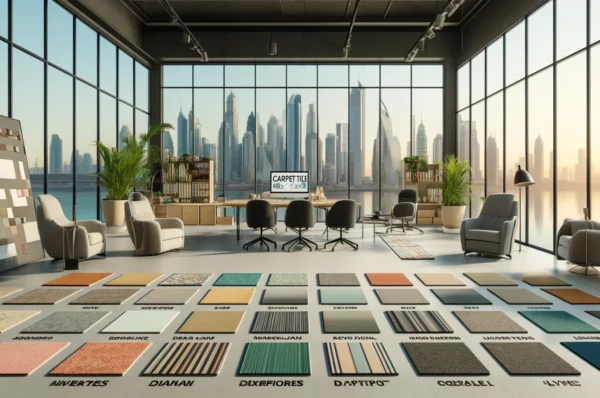
Discover the numerous advantages of carpet tiles in Dubai, including easy installation, cost-effectiveness, design flexibility, durability, and low maintenance. Ideal for both residential and commercial spaces, carpet tiles offer practical, eco-friendly, and aesthetically pleasing flooring solutions.
Introduction
The sweltering temperatures of Dubai can ruin your traditional carpets. What if I told you there was a flooring solution that could take the heat, look beautiful in your home, and make your life easier? “However, minutes carpet tiles are making very few quietly in Dubai and with several advantages you didn’t understand about.” Carpet tiles are making the lifestyle in Dubai easier by providing a cooler and more relaxed atmosphere while also transforming how people view their floors. Here, we’ll uncover some of the surprising benefits that carpet tiles offer and explain why they might just be your ideal flooring solution for homes or businesses in Dubai.
Advantages of Carpet Tiles in Dubai
In Dubai, carpet tiles have become increasingly popular in residential and commercial applications and are also known as modular or square carpets. “All of them have their unique advantages, which would appeal to different types of users mature.” • Here are the key advantages to guarantee your interest in carpet tiles in Dubai
1. Versatility and Design Flexibility
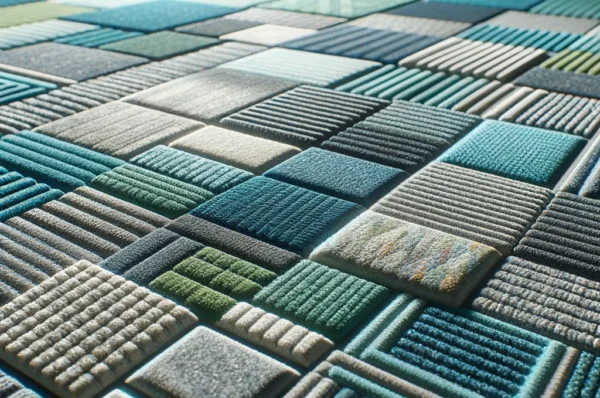
This is where carpet tiles offer unparalleled versatility and design flexibility, providing the perfect solution to Dubai’s diverse architectural landscape. Our tiles come in a broad variety of colors, styles, and textures that offer infinite design opportunities. Whether your goal is a clean, modern aesthetic or something a bit more traditional and comfortable, carpet tiles can be positioned to achieve it all. Whatever the pattern, tile can offer a unique visual application — from traditional herringbone and checkerboard to more contemporary random patterns. Install it yourself: Now, with a solid color line, no need to completely change the look of your space once you’re ready for something new again.
2. Ease of Installation and Replacement
One of the best benefits of using carpet tiles is they are very easy to install. Traditionally, broadloom carpets need to be installed by professionals with sharp knives and an aid of precise rolls or measurements. Carpet tiles, on the other hand, can be fitted by just about anyone who regularly tackles simple DIY tasks. They have a peel-and-stick backing or can be stuck down with adhesive tabs, which means that installation is quick and easy. Not only does this make installation a breeze, but it also lowers labor costs and limits any necessary downtime for the space. Moreover, in case a tile gets stained or chipped, the individual slab can be easily removed and replaced without having to change the entire flooring. This modularity also means that maintenance is a breeze and affordable, as only the affected tiles need to be changed and not the whole carpet.
3. Cost-Effective
Since Dubai is a city where renovation and maintenance costs are relatively higher, using carpet tiles is an inexpensive flooring alternative. The first thing is that carpet tiles are usually cheaper to install than regular-mode carpets, as well as the fact that being modular means we end up with much less waste during the installation process. Plus, they can be installed without any professional help, so little to no labor costs. Also, because you can replace individual tiles instead of the whole carpet, this will prolong the life of the flooring overall, which is a long-term cost savings as well. This is what makes carpet tiles such a favorite amongst businesses, homeowners, and property developers alike. They can get the most out of their budget without skimping on quality or looks
4. Durability and Longevity
If you plan on accommodating a high capacity of guests or customers, don’t worry; carpet tiles are very tough! Built strong to endure the pressures of high traffic, they are an ideal solution for commercial facilities in Dubai like office spaces, hotels, retail outlets, and more. Usually, the backing of carpet tiles is comprised of tough materials like PVC or fiberglass to help keep them stable and prevent wear. Durability – especially in high-impact areas, the longevity of aesthetics and performance are guaranteed with carpet tiles. Given this, they are great for high-traffic areas since they can withstand heavy foot traffic and last you a long time.
5. Improved Air Quality
Some of the advantages of using carpet tiles are that they help in better indoor air quality by trapping dust, allergens, and other harmful particulate matter. Which floating in the air settle on these laid down carpets instead. “especially in Dubai when the dust and sand which comes from the desert is often seen,” he added. And the fibers in carpet tiles capture and contain these particles, so they’re not being cycled through the air you and your employees breathe. By vacuuming the carpet tile on a regular basis, our room has cleaner and fresh air that promotes the health area of indoors, such as a lower risk cause to respiratory problems or allergies. In addition, some carpet tiles are treated with antimicrobial properties, which add to the overall quality of keeping a space clean from micro-organisms. function
6. Sound Absorption
With a city as busy as Dubai, noise control is of the utmost importance. Show quotes carpet tiles also provide excellent sound absorption, absorbing footsteps and dulling the noise level in a room, as well as between floors. Hence, according to the provided facts, they become the best choice for office buildings, residential complexes, and hospitality venues. Made with wool or soft fibers, carpet tile is also sound absorbing and won’t generate the echo effect that layers another level of noise to a room. This sound-dampening effect provides a more tranquil and pleasant atmosphere that contributes to a better quality of life for both residents and employees. For instance, carpet tiles can make a big difference in preventing noise pollution in OPC and hence affect employees’ productivity as well as their overall concentration.
7. Eco-Friendly Options
In addition, some carpet tiles use bio-based polymers and are made from recycled materials that can even be recycled again when their lifetime is over. Which reflects growing sustainability, among other green building practices in Dubai. The trend of incorporating sustainable and environmentally friendly materials like recycled nylon, PET (polyester), etc., in the carpet tile manufacturing process by manufacturers is expected to continue during the forecast period. Such sustainable alternatives not only minimize the impact of flooring installations on the environment but also promote a circular economy. When you choose to have carpet tiles, businesses and homeowners in Dubai can help sustainable initiatives and bring down their carbon imprint as well.
8. Enhanced Comfort
As a soft giving underfoot that offers warmth and cushioning, carpet tiles Nowhere is this more welcome than in the indoor spaces in Dubai, which can provide a sharp counterpoint to the heat outside. Carpet tiles have a soft surface which is comfortable for walking they also help to lessen exhaustion and distress. This benefit is particularly useful in residential settings where such areas as bedrooms and living rooms are typically some of the most occupied spaces. In commercial spaces, carpet tiles can be used for more added comfort to the employees and visitors as well, which will always give a nice feel of entering an office.
9. Moisture Resistance
Since then, advanced manufacturing techniques have allowed them to make different types of waterproof, spill-free carpet tiles. This is useful in the emirate due to its humid climate and areas that are more susceptible to spilling, such as around kitchens and dining. (n.d). If liquid seepage is a concern, most carpet tiles are either treated with moisture-resistant coatings or have impermeable backings on them to stop liquids from soaking through. It’s resistant to moisture, which means that mold and mildew cannot grow inside the unit making sure you breathe in healthier air at home. Moisture-resistant carpet tiles are a very practical and hard-wearing flooring option for commercial spaces like restaurants or cafes, as they can handle daily spills and cleaning.
Disadvantages of Carpet tiles

Advantages and disadvantages of carpet tiles The Disadvantages Detailed exploration The icons displayed above represent many sources of evidence regarding the associated disadvantages.
1. Visible Seams
Explanation:
The most important aesthetic disadvantage of carpet tiles is that you will always see every seam between each tile. As opposed to broadloom carpet, which results in a uniform appearance with seamless sight lines, there are always going to be visible joints when you install carpet tiles. Seams are visible, no matter how carefully they are installed, and take away from the overall results.
Impact:
- Design Integrity: Seams are always visible, and they can interrupt the visual flow of the carpet, causing it to appear less refined than traditional wall-to-wall carpets.
- Perception: The fact that seams are present might cause the flooring to appear more broken up, and it’s not going to be an option for every design style – especially in residential layouts where one plan is desired.
2. Non-Uniform Appearance
Explanation:
It is normal for carpet tiles to have differences in height, texture, and color, even if they are from the same production run. This non-uniformity may be due to the manufacturing processes or how the tiles settle post-installation.
Impact:
- Inconsistent Look: It can be that the edges of the tiles are not perfectly matched, and these imperfections allow other shaded patches to appear. This issue is exacerbated over time, particularly if tiles are replaced one by one because of damage or the lettering fading away.
- Aesthetic Value: being uneven and inconsistent, this takes away from the aesthetics of the floor, leaving it looking less seamless or smooth as a broadloom carcass
3. Fraying and Loose Fibers
Explanation:
Carpet tiles have fraying edges: After a while, the carpet tile can start to fray, especially around the corners, since the area is highly exposed and accessible. “Seams, which are the weakest point of any cover, especially undergo this kind of wear and tear. Additionally,”
Impact:
- Durability: One of the major downsides associated with fraying is that carpet tiles may lose their lifespan. To ensure the same, people need to keep on replacing or repairing them, which increases overall maintenance costs.
- Appearance: Have loose fibers and frayed edges that make the carpet tiles appear used. Whenever this happens, it creates a messy appearance of the entire space .
4. Commercial Appearance
Explanation:
Typical end-users of carpet tiles include offices, hotels, and schools. Commercial settings represent the majority of sales for this segment. For example, this association could play into how these extend radiators’ perception within its specific context of residential applications, as those are typically targeted to a vibe that is more “homey and cozy.”
Impact:
- Residential Use: The homey feel common to most residential areas may be compromised by the too-utilitarian appearance of carpet tiles. Carpet tiles have come a long way with design, but many homeowners still get that ‘commercial’ vibe from carpet tile.
5. Installation Challenges
Explanation:
While it’s relatively straightforward to install any carpet tiles, poor installation can result in many problems. Contaminants lifting tiles, seams increasing in visibility, and tile not being able to lay flat (due to insufficient acclimation) over time
Impact:
- Maintenance: Poor installation can lead to frequent maintenance since some tiles may have to be replaced, and others may need to be reinstalled or readjusted.
- Aesthetic Issues: Poorly installed flooring may have visible seams and tufts or other aesthetically unpleasing appearances that take away the appeal of your wandering wildlife’s floors
Materials and Easy installation Carpet tiles
Carpet Tile is a highly versatile flooring option, available in many different colors and wheaterval hues. They have been used in both residential as well as commercial buildings! Many people favor them for their versatility, easy installation as well as a wide range of materials. In this article, we will discuss the different materials for carpet tiles and why their installation is considered so beneficial.
Materials Used in Carpet Tiles
1. Nylon
Nylon is another go-to material for carpet tiles as it is tough, resilient, and hard-wearing in the face of heavy use. High-traffic areas work great with tegular-edge tile; over time, the fireclay ceramic will maintain a flawless look, no matter how often it’s abused. Moreover, Nylon Carpet Tiles are also low-maintenance and easy to clean.
2. Polypropylene (Olefin)
Polypropylene is another common material that offers resistance to stains and is relatively inexpensive. Less durable but provides a great option for locations with low to moderate levels of foot traffic. Moisture-resistant Water will not affect your carpet even when you find yourself coping with its stated moisture that your basement is, once more, a moist-prone space
3. Polyester
Polyester Carpet Tiles. Recycled polyester carpet tiles are appreciated for their vibrant color options as well as the softness underfoot. However, they are also more resistant to water-soluble stains, which makes them a great choice for families with children or pets! Although, they might only last for a short time in those high-traffic areas like nylon.
4. Wool
Wool is a common natural fiber; it’s very soft and also has some good eco-friendly characteristics. It’s incredibly durable, naturally flame-resistant, and has some of the best insulation properties on Earth. Regarding cost, synthetic carpet tiles are the most affordable option in contrast with wool forms, which represent an enticing warm setting change; however, at last will slow down your wallet too.
5. Recycled Materials
In many cases, these carpet tiles are made from recycled material. This is a viable way to add an element of sustainability(images) into a room(floor). The tiles are made from recycled nylon (meaning they’re sourced from old fishing nets), PET plastic bottles, or a variety of other repurposed fibers. The Razrs provide a high-quality, performance option that is eco-friendly.
Easy Installation of Carpet Tiles
Step 1: Prepare the Subfloor
It is very important to prepare the subfloor well before you start. Make sure the surface is clean, dry, and flat. Take out all debris, dust, or current flooring that might prevent the carpet tiles from sticking. Use a leveling compound (if required) to even any unevenness.
Step 2: Plan Your Layout
It’s important to figure out ahead of time how you are going to lay out your design to look as professional as possible. —— Measure the room you’re going to be in; find the center of it. G. Snap chalk lines from the center to the walls as your guidelines. These lines will also help to line your remaining tiles up straight so you don’t make extra cuts.
Step 3: Lay the First Tile
Set the first tile at the intersection of your chalk lines, following the arrow on the back of the tile to make sure you are aligning it in the right direction. Making sure that the pile of all tiles runs in the same direction will give your floor a more uniform appearance.
Step 4: Expand Your Layout
Keep doing this while the tiles are placed from the center out, making sure that each tile is pressed firmly in place. Peel back the backing if you are using the peel-and-stick tiles as we did in our bathroom. The adhesive is required for some tiles. For these, spread a thin layer of glue on the subfloor one at a time before setting each tile in place.
Step 5: Cut Tiles to Fit
“However, it’s likely you’ll have to cut tiles around the walls.” Measure the amount of room you need, and mark with a pencil. “If you need to cut a tile, use a straight edge and your utility knife,” Collins says. Make sure that cuts are neat, clean, and accurate in order to have a perfect fit.
Step 6: Finish and Clean Up
Once all the tiles are down, walk over them to bond them firmly with the subfloor. Use a roller for this if you need to strengthen the bond between your sheets of tile. Wipe away any remaining adhesive, as well as all of the dirt and grime.
FAQ’s
What is the benefit of carpet?
On the opposite end of the spectrum, carpet is great for holding in warm air, especially during the colder times of the year, or for homeowners who live in chillier regions. This not only makes your home pleasant but also helps to save on energy. In addition, carpet provides a soft floor when sitting on the ground to play or work, adding to the overall feeling of warmth and welcoming energy within a room.
What are the disadvantages of carpet tiles?
Seams are also one of the biggest problems with carpet tiles. To mitigate the appearance of these seems, it is recommended that all tiles be installed in the same direction. Plus, if you choose a carpet from a manufacturer using pattern-matching technology, your chances of having bad seems will decrease even more. They’ll loosen up with time, and the result could be more prominent to feel regularly.
Which is better, carpet or tiles?
If you are okay vacuuming all the time or if comfort is your ultimate need, go with carpet. Carpet rolls and carpet tiles are also much more cost-effective than tile flooring. On the other hand, if you’re looking for a floor that will hold up to heavy traffic and moisture, then tile is a better choice.
Are carpet tiles a good option?
You cannot beat carpet tile for being a cost-effective & fast install option. If these are important factors in your project, then carpet tiles are a significant preference compared to other carpet types. But carpet tiles have great advantages when it comes to maintenance and modular attributes that can make them a very versatile choice for flooring.
Is carpet tile good for a home?
But carpet tiles have a big asset over most maintenance: the perceived best solution for broadloom because it is possible with the system in many cases, provided minimal basic upkeep. If a few tiles become damaged or stained, they can be lifted out and replaced with new ones. This is also why it is always good to buy a few extra pieces of tile in case you need to replace them later on.
Conclusion
Carpet tiles are an ideal option for flooring in Dubai because of their flexibility, convenience in fitting, and affordable cost. Writable designs enable creativity and ease of replacement, resulting in simplified maintenance. Because of their durability, they are great for high-traffic areas; the improved quality of air and sound absorption make them a wonderful resource for indoor comfort. Moreover, most carpet tiles are eco-friendly, which also fulfills the current requirement of Dubai, saying ‘there’s no development without sustainability.’ To summarise, carpet tiles in Dubai are a functional, long-lasting, and good-looking option for all types of commercial and residential space.