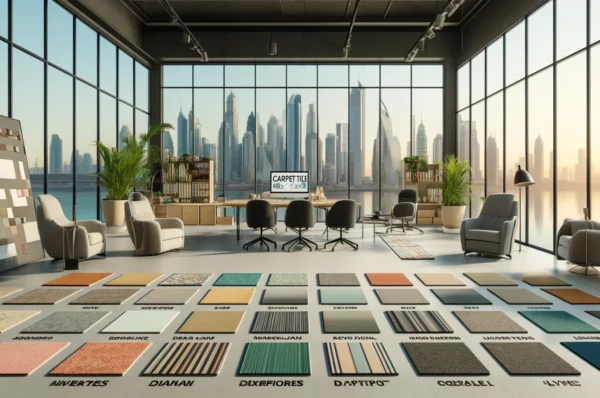
This guide unlocks the secrets of carpet tile installation. Explore DIY tips, professional options, local considerations, and more. Find beautiful, durable flooring solutions for your home or business in Dubai.
Introduction
To sew your flooring tiles with carpets in your home or office in Dubai, you get Style or substance – what’s not to enjoy. But do you need to begin to get the procedure accomplishment? It’s excellent and incredibly complicated to acquire all of the related features or to perform it alone.
Suppose you need the depiction of how to finish a carpet tile installation in Dubai, whether you need to support professional responsibility if you are in aggressive resources in Dubai or someone who can consult about them, before now!. We will clarify all this and more concerning the additional characteristics of this variety of the carpeted arena in Dubai. Let’s initiate.
Table of Contents
Type of Carpet Tiles
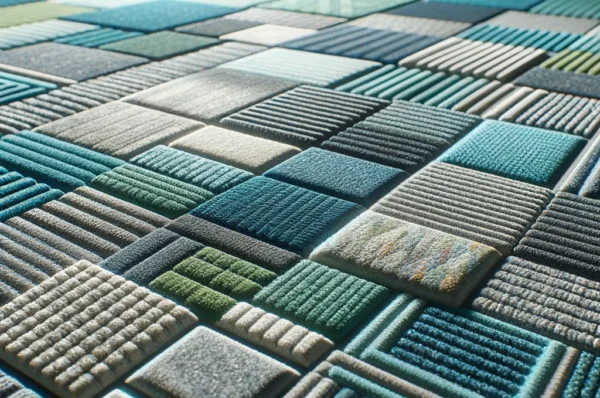
Carpet tiles, or modular carpets and carpet squares, are a suitable type of flooring for various needs, both residential and commercial. Innovative floor-covering material is straightforward to install, rotate or remove, and allows multiple lay-out patterns. Different types of carpet squares are widely known and differ in various features.
1. Loop Pile Carpet Tiles
Loop pile carpet tiles are produced by forming the carpet surface using loops of yarn that are not cut. This type of carpet is hardy and is used in high traffic areas because it does not lose its appearance as time goes. They are used in casual and formal setting due to the different patterns and textures.
2. Cut Pile Carpet Tiles
Cut pile carpet involves fibers that are cut at the top, which made it feel softer than any other one type of tile in the list. Cut pile has a plush luxury look, so it is usually used in residential premises or very low-traffic commercial ones. There are different kinds of cut pile carpet tile: plush, Saxony, frieze.
3. Cut and Loop Pile Carpet Tiles
Cut and loop pile carpet tiles consist of cut and looped fibers which give them the versatility to mimic many patterns and textures. This ultra-popular tile is desired by everyone for its trendy look, perfect for concealing dirt and tear. This type of tile can be found in homes and offices.
4. Nylon Carpet Tiles
Its durability, resilience and resistance to stains and abrasions make nylon an option commonly chosen for carpet tiles. If you want something that will last, even in places where there is intense movement like offices, then this fiber is the best choice. Even if you do not have much time to clean it frequently, nylon tile carpets remain good-looking.
5. Polypropylene (Olefin) Carpet Tiles
Polypropylene, also identified as olefin, is a man-made fiber that rejects moisture and possessions its color. These floor tiles are often used in damp surroundings such as basements or kitchens; they are resistant to mold, unlike other varieties of tiles. In spite of this, they are not as robust compared to nylon tiles and are more recommended for places where they are rarely stepped on.
6. Eco-Friendly Carpet Tiles
Tiles made from eco-friendly carpets are those made from sustainable materials, including recycled fibers or those produced from natural fibers such as wool. They are made specifically to have minimal environmental damage, and they are better options for individuals looking to have a green and sustainable living or working space. The tiles come in various styles and designs, and they offer individuals an option of choosing the tiles based on their aesthetic and environmental affiliations.
7. Peel and Stick Carpet Tiles
It goes without saying that peel and stick carpet tiles are installed without the use of glue, that is, with the help of a self-adhesive layer that forms on the basis of a special glue compound that process proceeds under the influence of high temperature. Therefore, its installation is not only a low-cost option, but also Without special tools allows you to complete ease of setting them personally. The raw materials for these plates are polyurethane polymers, rubber and propylene. They are presented in a large range of colors and styles.
8. Plank Carpet Tiles
Plank carpet tiles are different from square tiles. They can be used to install specific creative patterns like the herringbone or the tiles’ shape. This type of carpet tiles is a great way to make any space look stunning and modern and will give people plenty of design options.
Carpet Tiles Installation
As has been already walked through step by step to guarantee a neat and expert finish, the technique of installing carpet tiles in Dubai is relatively simple. In a nutshell, Here is the general guideline on how to install carpets:
1. Preparation
Measure the Area:
Getting the measurements of the installation. Before even thinking about allocating time for the installation, one must gather accurate measurements of the area. Using a laser measure, we would be able to obtain the exact dimensions of the room without any issues, such as measuring small indentations such as an alcove correctly. It is not just the length and width, but all details of the room must be accounted for to get a perfect fit from the tiles. However, after the final measurements get accounted for, add 10-15% more extra for the square footage. This extra percentage deals with cutting waste, which can be used in the future and if the tile pattern gets discontinued.
Prepare the Subfloor:
However, it is advisable to start the pre-installation steps as though the underfloor is the most important factor since this is accurate. For a start, one must clean a subfloor. Get professional-grade cleaners and ensure that the underfloor is free of any dirt, debris, and residues. Then, check the moisture for Dubai, where subfloors are mostly made of concrete.
The moisture testing kit should help identify in case more moisture barriers are necessary. When cleaned, visually inspect the underfloor for any imperfections. Use floor patching compound to fill in holes or cracks and sand off high points to create a flat seamless surface. By Dubai’s climate standards, the subfloor should be completely dry or have acclimatized with the room temperature to prevent expansion or contraction post-installation. Bumps and dips should be avoided at each cost since they will wear off the carpet tiles unevenly after some time.
2. Plan the Layout
- Check Tile Direction: Carpet tiles usually have small arrows on the back that identify in which direction they need to be arranged. This step is very crucial for patterned or textured tiles because the arrows guide in which way the tile needs to be placed. Aligning the tiles consistently provides the desired floor with a seamless and professionally-looking result.
- Dry Layout: The following way to accomplish this before any adhesive is used is to lay the tiles upon the subfloor but do not attach them. This method is known as a dry layout for a reason. While there, area requirements frequently need to be fulfilled, this allows for the tiles to move around whenever necessary. Cut tiles should be separated around the borders of the room in such a way that they should be equally spaced. Because it allows one to see the composition before finalizing it, the most vital usage of this technique is it ensures that the last-minute adjustments are practicable.
3. Start Installation
- Starting Point: Finding the right starting point is the key to a perfect look. In most cases, it is optimal to begin from the room’s middle. However, the latter is to be determined by drawing a chalk line to the center from each of the four walls to give you a pattern to follow.
- Apply Adhesive: Select an adhesive that complements the local environmental conditions—particularly the high temperatures and potential humidity of Dubai. Apply the adhesive using a notched trowel to ensure an even spread. Only apply as much adhesive as can be covered with tiles within a 10-minute window to prevent it from drying out and losing its tackiness.
4. Laying the Tiles
- Press Down Firmly: As you place each tile, press down firmly to ensure it adheres well to the adhesive beneath. It’s advisable to use a hand roller over each tile to secure the bond and ensure there are no air pockets, which can lead to lifting or bubbling later on.
- Cutting Tiles: When you need to fit tiles around edges or corners, measure and mark where the cuts should be made, ensuring that you leave just enough space for the tile to fit snugly without creating too much tension. Use a sharp utility knife or a heavy-duty carpet cutter for precision, and always cut on a safe surface.
5. Finishing Touches
- Roll the Floor: After all tiles are in place, use a heavy roller (ideally 100 pounds) to go over the entire area. This step is crucial to solidify the bond between the tiles and the adhesive, ensuring a smooth and secure finish.
- Check for Loose Edges: Inspect the edges and corners of the installation to make sure every tile is firmly attached. If any edges lift, apply additional pressure or a bit more adhesive to secure them.
6. Maintenance
- Regular Cleaning: Vacuum regularly to remove dust and debris. In Dubai’s sandy environment, frequent vacuuming is necessary to prevent sand from settling into the fibers, which could degrade the tiles over time. Address spills immediately to prevent stains, using cleaning products recommended by the manufacturer to avoid damaging the tiles.
- Replace as Needed: Keep spare tiles from the same production batch for seamless replacements. This is important as slight color variations can occur between different batches. By storing extra tiles, you ensure that you can replace any damaged or worn tiles without affecting the overall look of your floor.
Aftercare and maintenance
Regular Cleaning
1. Vacuuming
Regular vacuuming is the cornerstone of carpet tile maintenance. Dirt and debris can become embedded in the carpet fibers, causing wear and tear over time.
How to Vacuum Properly:
- Frequency: Vacuum at least once a week. In high-traffic areas, consider vacuuming more frequently.
- Vacuum Type: Use a vacuum cleaner with a beater bar or rotating brush to effectively lift dirt from the carpet fibers. For delicate fibers, use a suction-only vacuum.
- Technique: Vacuum slowly in multiple directions to ensure thorough cleaning. Pay special attention to the edges and corners where dirt can accumulate.
2. Spot Cleaning
Immediate attention to spills and stains prevents them from becoming permanent.
Steps for Spot Cleaning:
- Blot the Spill: Use a clean, absorbent cloth to blot (not rub) the spill, starting from the outer edge and working towards the center to prevent spreading.
- Use a Mild Cleaner: Apply a carpet cleaner suitable for your carpet tile material. Test the cleaner on a small, inconspicuous area first to ensure it does not damage or discolor the carpet.
- Rinse and Blot: After cleaning, rinse the area with a small amount of water and blot dry with a clean cloth. Ensure the area is completely dry to prevent mold and mildew.

Deep Cleaning
1. Periodic Shampooing
Shampooing your carpet tiles helps remove embedded dirt and grime.
Shampooing Process:
- Frequency: Depending on foot traffic, shampoo your carpet tiles every 6 to 12 months.
- Preparation: Remove furniture and vacuum thoroughly before shampooing.
- Shampoo Machine: Use a carpet shampoo machine according to the manufacturer’s instructions. Use a suitable carpet shampoo and follow the dilution instructions carefully.
- Drying: Allow the carpet tiles to dry completely before replacing furniture. Use fans or open windows to facilitate faster drying.
2. Steam Cleaning
Steam cleaning uses hot water extraction to deep clean carpet fibers.
Steam Cleaning Process:
- Frequency: Steam clean every 12 to 18 months, or more often in high-traffic areas.
- Preparation: Vacuum the carpet tiles thoroughly before steam cleaning.
- Steam Cleaner: Use a steam cleaner with a carpet attachment. Follow the manufacturer’s instructions for water temperature and detergent use.
- Drying: Ensure the carpet tiles are completely dry after steam cleaning to prevent mold and mildew. Use fans or dehumidifiers to speed up the drying process.
Preventative Measures
1. Use Entrance Mats
Entrance mats reduce the amount of dirt and moisture tracked onto the carpet tiles.
Tips for Entrance Mats:
- Placement: Place mats both outside and inside entry points to trap dirt and moisture.
- Maintenance: Clean entrance mats regularly to maintain their effectiveness.
2. Furniture Protection
Protecting your carpet tiles from heavy furniture can prevent indentations and damage.
Furniture Protection Tips:
- Furniture Pads: Use felt pads or coasters under furniture legs to distribute weight evenly and prevent indentations.
- Rearrange Furniture: Periodically rearrange furniture to allow the carpet fibers to recover and prevent uneven wear.
3. Footwear Policy
Implementing a no-shoes policy indoors can significantly reduce dirt and wear on your carpet tiles.
Footwear Policy Tips:
- Slippers for Guests: Provide indoor slippers for guests to use.
- Shoe Storage: Place a shoe rack or storage area near entrances to encourage removing shoes upon entering.
Maintenance Tips
1. Tile Rotation
Rotating carpet tiles ensures even wear across your flooring.
How to Rotate Tiles:
- Frequency: Rotate tiles every 6 to 12 months, or as needed in high-traffic areas.
- Method: Swap tiles from high-traffic areas with those in lower-traffic areas. If tiles have a directional pattern, ensure they are reinstalled in the same direction.
2. Replace Damaged Tiles
One of the main advantages of carpet tiles is the ability to replace individual tiles.
Replacing Tiles Steps:
- Identify Damaged Tiles: Regularly inspect your carpet tiles for stains, damage, or excessive wear.
- Replacement: Keep a few extra tiles from your original installation for replacements. Carefully lift the damaged tile using a utility knife or a carpet tile lifter and replace it with a new one, ensuring it fits snugly.
3. Protect from Sunlight
Prolonged exposure to direct sunlight can cause carpet tiles to fade.
Sunlight Protection Tips:
- Window Treatments: Use curtains, blinds, or UV-protective window films to block direct sunlight.
- Furniture Arrangement: Periodically rearrange furniture to prevent any one area from prolonged exposure to sunlight.
Addressing Specific Issues
1. Odor Removal
Odors can develop in carpet tiles due to spills, pets, or moisture.
Odor Removal Steps:
- Baking Soda: Sprinkle baking soda over the affected area and let it sit for a few hours before vacuuming.
- Carpet Deodorizers: Use specialized carpet deodorizers if odors persist. Follow the product instructions carefully.
2. Dealing with Mold and Mildew
Moisture can lead to mold and mildew growth in carpet tiles.
Mold and Mildew Removal Steps:
- Identify Moisture Source: Locate and fix the source of moisture immediately.
- Cleaning Solution: Use a mixture of water and vinegar or a commercial mold cleaner to clean the affected area.
- Ensure Dryness: Ensure the area is completely dry before replacing the tiles. Use a dehumidifier if necessary.
Benefits of carpet tiles
Carpet tiles, also known as modular carpets or carpet squares, offer a modern and versatile flooring solution that suits a wide range of commercial and residential spaces. Here’s an in-depth look at the benefits of using carpet tiles:
1. Versatility in Design
Carpet tiles come in a vast array of colors, patterns, and textures, providing limitless design possibilities. This variety allows for customizing designs to fit any room aesthetic or corporate branding. They can be mixed and matched to create unique layouts, accent areas, or wayfinding designs in larger spaces.
2. Ease of Installation
Unlike traditional carpet rolls, carpet tiles are easier to transport and install. They are typically available in small, manageable squares that can be laid down quickly over a variety of subfloors, including concrete and wood. The installation process is less labor-intensive and does not always require professional help, which can save on installation costs.
3. Durability
Carpet tiles are designed for high traffic areas and are built to withstand heavy use. Many come with built-in stain resistance and are less likely to fray or unravel. Their durability makes them an ideal choice for commercial environments such as offices, schools, and retail spaces, where there is frequent foot traffic.
4. Low Maintenance
Maintenance of carpet tiles is straightforward. They are easier to clean and maintain compared to traditional carpets. Most spills can be cleaned by removing and washing the affected tile, and regular maintenance simply involves vacuuming, just like other carpeting solutions.
5. Cost-Effectiveness
While the initial cost of carpet tiles might be comparable to other flooring types, their longevity and ease of maintenance often result in lower long-term costs. Additionally, if a section of the floor becomes damaged or worn, there is no need to replace the entire carpet—only the affected tiles need to be swapped out, further reducing costs.
6. Eco-Friendly Options
Many carpet tile manufacturers now focus on sustainable practices, offering products made from recycled materials, which are also recyclable at the end of their life cycle. This commitment to sustainability appeals to environmentally conscious consumers and businesses aiming to reduce their ecological footprint.
7. Improved Indoor Air Quality
Carpet tiles can contribute to healthier indoor environments. They trap dust and allergens more effectively than hard surface floors, which can then be removed through regular vacuuming. Some carpet tiles are treated with antimicrobial properties to help reduce mold and mildew growth.
8. Easy Access to Underfloor Systems
In office environments where access to underfloor cables and electrical wiring is necessary, carpet tiles are an ideal solution. They can be easily lifted and repositioned without disrupting the entire floor, making them perfect for spaces with complex underfloor systems.
9. Sound Insulation
Carpet tiles provide excellent noise reduction properties. They absorb sound rather than reflecting it, reducing the noise levels in busy environments. This can enhance the comfort and usability of spaces, particularly in open-plan offices and multi-story buildings.
10. Adaptability to Different Spaces
The modular nature of carpet tiles makes them suitable for irregularly shaped rooms or areas with multiple obstacles. They can be cut to fit around corners, columns, and other architectural features, ensuring a seamless look across the floor.
FAQ’s
How much does it cost to install tile vs carpet?
The decision between installing carpet or tile often hinges on the cost associated with each option. Generally, the price of carpet ranges from approximately $2 to $15 per square foot, depending on the quality and type of carpet chosen. On the other hand, tile flooring costs about $4 to $12 per square foot. The price gap between carpet and tile is relatively narrow, making the choice more about preference and specific needs than a significant difference in cost.
How much does it cost to install tile per square meter in Dubai?
The costs for various tiling services are as follows: Installing new ceramic tiles on a floor typically ranges from AED 50 to AED 100 per square meter. For new porcelain tiles on a wall, the price is about AED 100 to AED 200 per square meter. If you need to repair or replace damaged tiles, the cost is usually between AED 20 and AED 50 per tile. Removing old tiles costs between AED 10 and AED 20 per square meter.
How much does carpet tile cost per square metre installed?
The price range for carpet tiles is typically between $30 and $45 per square meter for the materials alone. For professional installation, the cost generally varies from $30 to $50 per square meter. This range depends on the installation method, any specific patterns involved, and the type of adhesive utilized.
Which is better floor tiles or carpet?
Tiles are the preferred option for kitchen and bathroom floors due to their water resistance and ease of upkeep, making them highly suitable for spaces that frequently experience spills. On the other hand, carpets are generally not advised for kitchens and bathrooms. Their tendency to retain moisture can lead to the growth of mold and bacteria, making them less ideal for these areas.
Is carpet cheaper then flooring?
Price Consideration: If you’re deciding between carpet and floorboards based on cost, carpet typically emerges as the more budget-friendly choice compared to floorboards.
Conclusion
Carpet tile installation in Dubai offers a flexible, durable, and stylish flooring solution that meets the diverse needs of both commercial and residential spaces. With their ease of installation, maintenance, and the ability to replace individual tiles as needed, carpet tiles provide an efficient and cost-effective choice for modern interiors. The wide range of designs and textures available allows for customization that can enhance any decor style, making them a practical yet attractive option.
Additionally, given Dubai’s unique climate and architectural innovations, carpet tiles offer an adaptable solution that withstands the rigors of high traffic and environmental conditions. For anyone considering new flooring, carpet tiles in Dubai represent a smart investment that combines practicality with aesthetic appeal.