

SPC Flooring Installation and Maintenance in Dubai made easy! Our guide offers DIY installation tips, and professional maintenance advice, and explores the benefits of SPC flooring for Dubai’s unique climate. Discover why SPC floors are the perfect choice for your home!
Introduction
SPC (Stone Plastic Composite) flooring is a popular choice for both residential and commercial properties in Dubai, known for its durability, aesthetic appeal, and ease of maintenance. This type of flooring combines natural stone powder and PVC resin, which provides a robust yet stylish flooring option suitable for Dubai’s high-traffic environments and varying temperatures.
The installation of SPC flooring requires precision and expertise to ensure that it not only looks appealing but also stands the test of time against the wear and tear typical of busy spaces. Proper maintenance is equally crucial, involving regular cleaning and occasional deep maintenance to preserve its luster and functionality. In this introduction, we will explore the intricacies of SPC flooring installation and the best practices for its maintenance in Dubai, offering valuable insights for those considering this flooring solution for their home or business.
Table of Contents
SPC flooring Installation and Maintenance
SPC (Stone Plastic Composite) flooring is renowned for its robustness, water resistance, and aesthetic appeal, making it a favored choice in both residential and commercial settings. Installing SPC flooring can be a straightforward DIY project if you follow the correct procedures. Below, I detail a comprehensive guide on how to install SPC flooring effectively.
Detailed Guide to Installing SPC Flooring
Tools and Materials Needed:
- Tape measure: For measuring room dimensions and plank sizes.
- Utility knife: To cut the planks cleanly.
- Rubber mallet: For gently tapping the planks into place without damage.
- Tapping block: To evenly distribute force when tapping planks.
- Spacers: To maintain a consistent expansion gap around the room perimeter.
- Level: To ensure the subfloor is even.
- Jigsaw: For making intricate cuts, such as around corners or door frames.
Preparation:
- Subfloor Preparation:
- Cleaning: Remove all debris, dirt, and dust from the subfloor.
- Leveling: Check for levelness using a level; fill in low spots with leveling compound and sand down high spots.
- Dryness: Ensure the subfloor is completely dry. Any moisture issues should be resolved before installation.
- Acclimation:
- Place the unopened packages of SPC planks in the room where they will be installed.
- Maintain room temperature between 18-30°C (65-85°F) during the acclimation period.
- Layout Calculation:
- Measure the room to calculate the floor area.
- Plan the layout so that the planks along the perimeter of the room are not less than half of a plank in width.
Installation Process:
- First Row:
- Place spacers every few feet along the wall to maintain the expansion gap.
- Align the first plank in the corner, tongue side away from the wall.
- Connect the end joints of the planks in the first row, ensuring the seams are tight.
- Subsequent Rows:
- Start the second row with a plank cut to stagger the seams from the first row by at least 6 inches.
- Angle the plank slightly to insert the tongue into the groove of the existing row. Lower it down to snap into place.
- Use the tapping block and mallet to ensure the planks are firmly connected.
- Continue this pattern across the room, ensuring that the joints between planks are tightly sealed.
- Cutting Planks:
- Measure and mark the plank where cuts are needed.
- For straight cuts, score the surface with a utility knife and snap the plank along the score line.
- For intricate cuts, such as around pipes or irregular walls, use a jigsaw.
- Finishing Installation:
- Install the final row by measuring and cutting the planks lengthwise to fit the remaining gap, keeping in mind the expansion gap.
- Once all planks are installed, remove the spacers from around the room edges.
- Attach transition strips at doorways and thresholds to cover the expansion gaps and provide a smooth transition between different flooring types.
Post-Installation:
- Cleaning: Sweep or vacuum the floor to remove installation debris. If necessary, use a damp mop with a mild cleaner approved for SPC flooring.
- Room Temperature: Maintain a stable room temperature to avoid excessive expansion or contraction of the flooring.
By following these detailed steps, your SPC flooring installation should proceed smoothly, resulting in a beautifully finished and durable floor.
Comprehensive Guide to Maintaining SPC Flooring
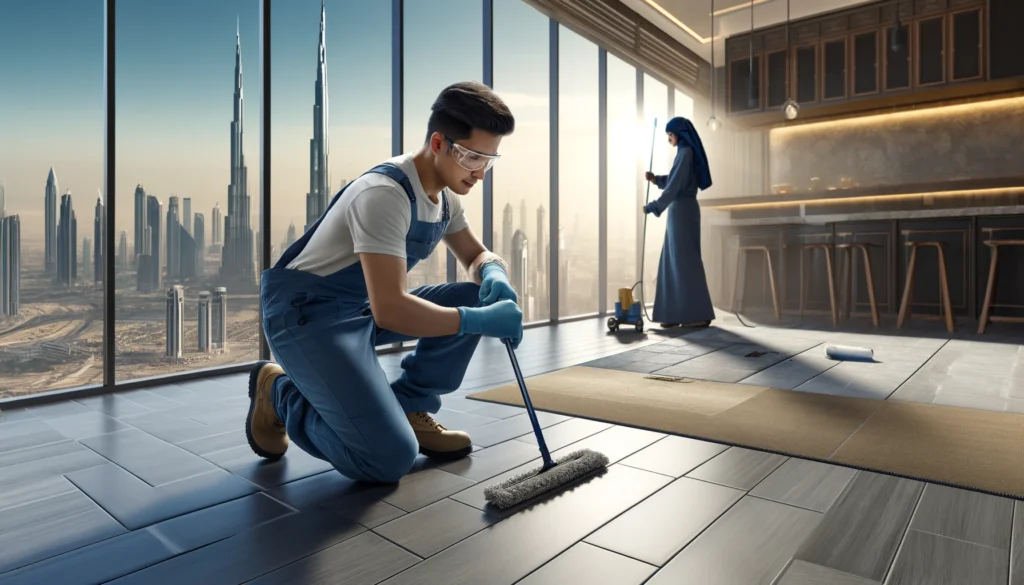
SPC (Stone Plastic Composite) flooring is renowned for its durability, water resistance, and easy maintenance, making it a highly suitable option for both residential and commercial spaces. Proper care and maintenance not only extend the life of the flooring but also keep it looking its best. Here’s a comprehensive guide on how to maintain your SPC flooring effectively.
Regular Cleaning
- Daily Dusting and Sweeping:
- Use a microfiber mop or soft bristle broom to collect dust and loose debris. This gentle approach prevents scratches that harsher bristles might cause.
- Weekly Damp Mopping:
- Mix a solution of warm water with a pH-neutral cleaner designed for vinyl flooring. This ensures no harmful chemicals damage the flooring’s surface.
- Use a well-wrung microfiber mop to prevent excess moisture from seeping between the planks, which could potentially cause damage over time.
- Spot Cleaning and Stain Removal:
- Immediate Response: Address spills promptly to prevent potential staining or water damage. Absorb liquids with a dry, soft cloth or paper towel.
- Specific Stains:
- Oil-Based Stains: Use a bit of dish soap mixed with water, apply it to the stain, and gently rub with a soft cloth.
- Harder Stains: For substances like wax or gum, first let them harden (ice can speed this process), then gently scrape off with a plastic scraper.
Preventive Measures
- Furniture and Appliance Protection:
- Non-abrasive Pads: Stick felt or silicone pads under all furniture legs, especially those that are moved frequently, to avoid scratching the floor surface.
- Heavy Furniture: Consider using wide, non-staining coasters or plywood panels under very heavy furniture to distribute the weight more evenly and prevent indentations.
- Rugs and Mats:
- Entrance Mats: Choose mats that trap dirt and are easy to clean. Ensure they do not have a rubber or latex backing, which could discolor the floor.
- Area Rugs: Use non-staining woven rugs in high-traffic areas to minimize wear. Check the labels for compatibility with vinyl flooring.
- Sunlight Exposure:
- Blinds or Shades: Regular use of window treatments can significantly reduce the UV exposure that might fade or discolor the flooring.
- UV Film: For areas with intense sunlight, applying a UV-blocking film to windows can protect the flooring without needing to change window treatments.
Advanced Care
- Annual Deep Clean:
- Use a soft brush attachment on a cleaner machine specifically marked safe for vinyl or SPC flooring. This can help lift ingrained dirt in textured areas or along edges.
- Scratch and Dent Care:
- Buffing Minor Scratches: Some minor scratches can be minimized with a DIY vinyl floor polish or scratch remover kit, following the manufacturer’s instructions.
- Plank Replacement: In cases of severe damage, individual planks can usually be replaced. This requires carefully dismantling the interlocked planks to the point of damage and replacing the affected piece.
- Professional Assessment:
- If unsure about the right products or methods for tough stains or damage, consulting a flooring professional can provide tailored advice specific to your flooring’s condition and type.
Adhering to these detailed maintenance steps will help preserve the appearance and integrity of your SPC flooring, ensuring it remains a durable and attractive part of your space for years to come.
Cost Analysis and Budget Planning for SPC Flooring
When considering the installation of Stone Plastic Composite (SPC) flooring, it is essential to conduct a thorough cost analysis and create a precise budget plan. SPC flooring is popular for its durability, aesthetic appeal, and resistance to moisture, making it a suitable choice for both residential and commercial properties. This guide will break down the costs associated with SPC flooring and provide insights into budget planning to ensure the project stays within financial boundaries without compromising on quality.
Cost Analysis for SPC Flooring
1. Material Costs
- SPC Flooring Planks: The price of SPC planks can vary widely depending on the quality, thickness, and design. On average, SPC flooring costs between $2 to $7 per square foot. Premium options with special features like enhanced UV coating or additional acoustic underlayers can be more expensive.
2. Underlayment Costs
- Underlayment: Some SPC flooring options come with an attached underlayment, while others require a separate purchase. The cost for underlayment typically ranges from $0.30 to $0.75 per square foot. This layer is crucial for sound dampening and providing additional comfort underfoot.
3. Installation Costs
- Professional Installation: While SPC flooring can be installed as a DIY project, professional installation ensures optimal results. Installation fees vary by region but generally range from $1 to $4 per square foot. This cost includes labor and necessary materials like adhesives if needed, though SPC often features a click-lock design that simplifies installation.
4. Additional Expenses
- Tools and Supplies: If you choose to install the flooring yourself, you may need to purchase or rent specific tools such as a rubber mallet, tapping block, and a pull bar. Additionally, consider costs for transition strips, thresholds, and any required floor preparation materials.
- Floor Preparation: This can include old floor removal and disposal, which typically costs between $1 to $2 per square foot, and subfloor leveling if necessary, which can cost up to $3 per square foot depending on the condition of the subfloor.
Budget Planning for SPC Flooring
1. Measuring and Estimating
- Accurate Measurements: Begin with precise measurements of the space to determine the amount of flooring and underlayment required. It’s advisable to purchase 10% more material than the measured area to account for cutting waste and potential errors.
2. Factor in All Costs
- Complete Cost Breakdown: When planning the budget, include all potential costs — materials, installation, tools, and additional expenses. This comprehensive approach prevents unexpected costs from arising and disrupting the budget.
3. Choosing the Right Product
- Balancing Cost and Quality: While it might be tempting to opt for the cheapest option, consider the wear and durability you need, especially in high-traffic areas. Sometimes, investing a bit more in a higher quality product can reduce long-term costs related to maintenance and replacement.
4. Get Multiple Quotes
- Installation Quotes: If hiring professionals, obtain quotes from several contractors to find the best price and service level. Ensure that the installers have experience with SPC flooring.
5. Contingency Budget
- Unexpected Costs: It’s prudent to set aside a contingency budget of around 10-15% of the total estimated cost to cover unforeseen expenses during the flooring project.
By conducting a detailed cost analysis and thoughtful budget planning, homeowners and property managers can efficiently manage the installation of SPC flooring. This preparation helps ensure that the project meets financial constraints while achieving the desired outcome in terms of functionality and aesthetic appeal.
Benefits in Dubai Context
Dubai, a vibrant metropolis in the United Arab Emirates, is known for its luxurious lifestyle, advanced infrastructure, and diverse cultural landscape. When considering the “benefits in Dubai context,” it’s important to address the various advantages that living, working, or investing in Dubai offers. This content will explore the benefits from different perspectives, including economic, lifestyle, and cultural aspects.
Benefits of Living and Working in Dubai
1. Economic Opportunities
- Tax-Free Income: One of the most significant benefits of working in Dubai is the tax-free income. Residents do not pay personal taxes on their earnings, which can significantly increase disposable income compared to many other countries.
- Growing Job Market: Dubai’s economy is robust and diverse, with thriving sectors such as tourism, real estate, technology, and finance. This diversity offers numerous employment opportunities for expatriates and locals alike.
- Entrepreneurial Environment: Dubai offers a supportive environment for entrepreneurs, with various free zones that provide tax breaks, custom duty benefits, and lack of restrictions on foreign ownership.
2. Lifestyle Advantages
- Luxurious Living Standards: Dubai is synonymous with a high standard of living. It offers world-class amenities, shopping centers, restaurants, and recreational facilities.
- Safety and Security: Dubai is consistently ranked as one of the safest cities in the world. The crime rates are exceptionally low, and the police force is equipped with the latest technology.
- Educational Facilities: The city boasts a wide range of international schools and universities, offering high-quality education that follows various international curriculums.
Cultural and Social Benefits
- Cultural Diversity: Living in Dubai allows for experiences of a melting pot of cultures, with expatriates making up a significant portion of the population. This diversity brings unique festivals, foods, and traditions to everyday life.
- Strategic Location: Dubai’s location serves as a gateway between the East and the West, providing easy travel opportunities to various parts of the world. Its international airports connect to hundreds of destinations.
- Innovative Healthcare: The healthcare system in Dubai is cutting edge, with access to the latest medical technologies and highly qualified healthcare professionals from around the globe.
Benefits of Investing in Dubai
1. Real Estate and Infrastructure
- High Return on Investment: The real estate market in Dubai is known for offering high rental yields and appreciation rates compared to many other global cities.
- Robust Infrastructure: Dubai continuously invests in its infrastructure, including roads, public transport, telecommunications, and energy, making it an ideal place for businesses to flourish.
2. Business-Friendly Environment
- Ease of Doing Business: Dubai offers a streamlined process for business setup, particularly in its free zones. These zones are designed to promote foreign investment with easier start-up processes, and labor and immigration procedures.
- Strategic Hub for Expansion: Its location and excellent logistics facilities make Dubai an ideal hub for companies looking to expand into the Middle East and North African markets.
3. Government Initiatives
- Long-term Residency Visas: The introduction of long-term residency visas, such as the Golden Visa, provides stability and confidence for investors and highly skilled professionals.
- Visionary Leadership: The government’s forward-thinking strategies ensure continual growth and innovation, aligning with global trends and future technologies.
FAQ’s
How do you maintain SPC flooring?
Daily dry mopping is essential, and more frequent cleaning may be necessary depending on foot traffic. It is crucial to address spills promptly to avoid permanent stains. To preserve the floor’s appearance, periodic wet cleaning should also be performed. Always ensure to pre-vacuum or dust mop before proceeding with wet cleaning.
How long does SPC flooring last?
SPC flooring is remarkably durable and can exceed 20 years of life with proper maintenance. This exceptional longevity is why many prominent SPC flooring brands offer warranties of 15 years or more. Don’t be surprised if your SPC flooring lasts well beyond two decades.
Can I install SPC flooring myself?
You certainly can. We’ll guide you through a simple 5-step process to install your SPC flooring. Alternatively, you have the option to hire a professional to handle the installation for you.
What are the disadvantages of SPC flooring?
Its durability might result in a firmer feel underfoot, which some may find uncomfortable. Furthermore, despite its scratch resistance, heavy objects can still inflict damage if they are dropped on the floor.
How to shine an SPC floor?
Clean Sweep: Begin by sweeping, then follow up with a damp mop and a gentle cleaning solution to ensure the surface is thoroughly clean, setting the stage for effective polishing. Polishing Power: This is the step where you add the shine! Apply a high-quality SPC floor polish, specifically formulated for this flooring type, to achieve the best results.
Conclusion
SPC flooring installation and maintenance in Dubai offer numerous benefits due to its robustness, water resistance, and ability to withstand high-traffic environments. With proper installation, which can be done through DIY methods or professional services, SPC flooring becomes a reliable option for both residential and commercial properties in Dubai’s unique climate. Regular maintenance through daily cleaning, quick spill management, and occasional polishing ensures that the flooring remains attractive and durable for years. The combination of careful installation and consistent maintenance practices will help residents and business owners fully enjoy the cost-effective, long-lasting qualities of SPC flooring, making it a smart investment in Dubai’s fast-paced lifestyle.


